How To Become More Self-Sufficient Without Starting a Full-Blown Farm…
Want to start preserving your harvest, making your own soap, or building a backyard root cellar — but not sure where to begin? “Homesteading Advice” gives you instant lifetime access to 35+ practical homesteading books on food preservation, veggie gardening, DIY natural cleaning products (save over $250 per year with this skill alone), brewing, off-grid energy, and a whole lot more…
Click Here To Check It Out Now!
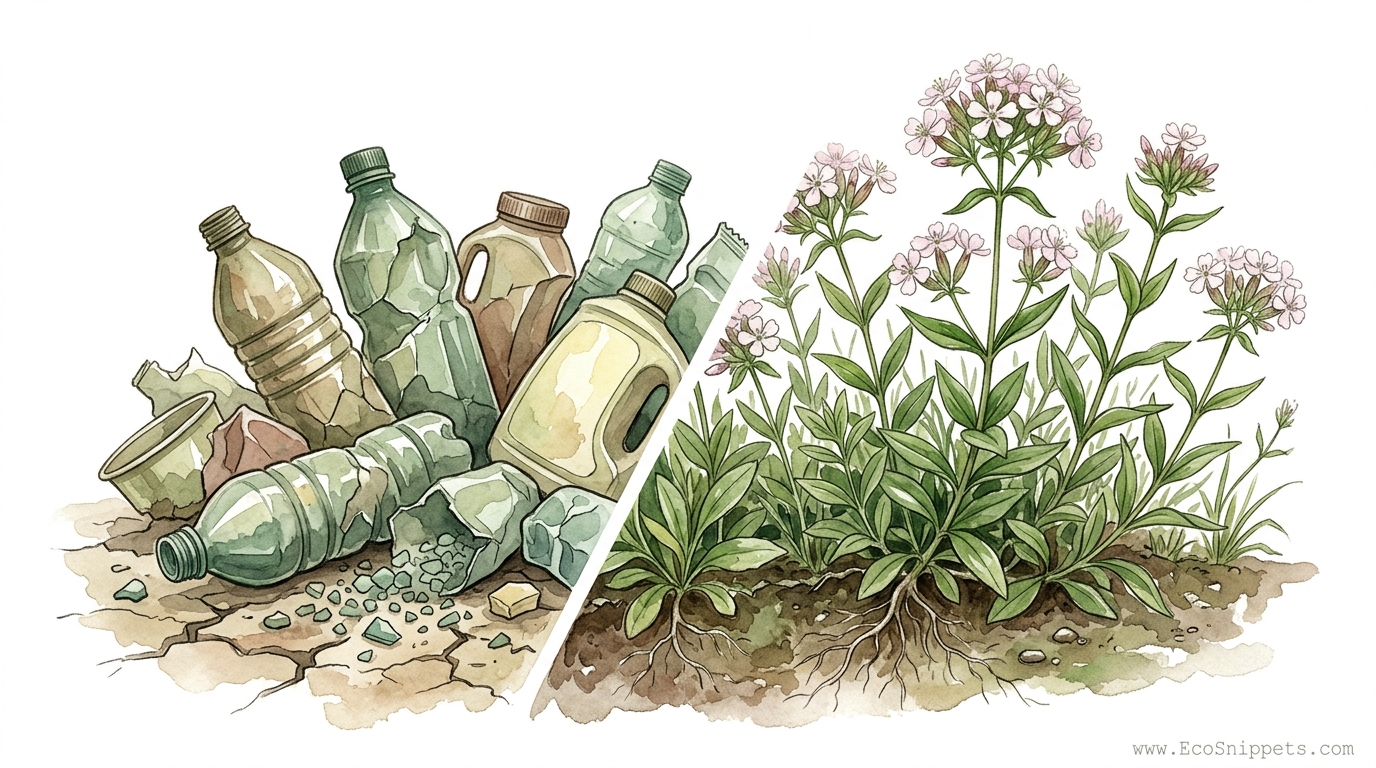
You are still dependent on a global supply chain for ‘natural’ living until you start growing your own soap. Even the most ‘eco-friendly’ store-bought soaps come wrapped in petroleum and processed in massive factories. Reclaiming the identity of a producer allows you to grow Soapwort (Saponaria) in your own garden. It creates a gentle, effective lather that cleans everything from dishes to delicate fabrics, with zero waste and zero chemicals.
How To Grow Your Own Soap With Soapwort
Soapwort, known scientifically as Saponaria officinalis, is a hardy perennial herb that has served humanity as a primary cleanser for thousands of years. This plant belongs to the carnation family and is often recognized by its clusters of pale pink or white flowers that emit a clover-like fragrance in the evening. History remembers it by many names, including Bouncing Bet, Fuller’s Herb, and Latherwort. Each name hints at its historical utility in the hands of washerwomen and textile workers.
The secret to this plant lies in its high concentration of saponins. These natural chemical compounds act as surfactants, meaning they break the surface tension of water to trap and lift away dirt and oils. Unlike the synthetic detergents found in plastic bottles, soapwort saponins are entirely biodegradable and return to the earth without leaving a toxic trail.
Growing this plant transforms a corner of your yard into a self-sustaining cleaning supply. It thrives in temperate climates and is remarkably resilient, often found growing wild along roadsides or near old homesteads. Establishing a soapwort patch means you are no longer a mere consumer of hygiene products; you become the source.
Cultivating the Saponaria Patch
Success with soapwort begins with understanding its rugged nature. This is not a delicate hothouse flower that requires constant coddling. It prefers lean, well-drained soil and plenty of sunlight. Over-fertilizing or planting in overly rich soil actually causes the stems to become weak and “flop,” making the harvest more difficult.
Sowing seeds should occur in the early spring, just as the frost begins to leave the ground. Many growers prefer to start seeds indoors in late winter to give the plants a head start, but direct sowing works well in most regions. Seeds require a period of cold stratification to germinate effectively, so a few weeks of chilly weather actually helps the process.
Once the seedlings are established, they spread quickly via underground rhizomes. These creeping roots are the “jackpot” for saponin production. Because of its vigorous spreading habit, planting soapwort in a contained area or using sunken borders is a wise choice to prevent it from overtaking the rest of the herb garden.
The Process of Extracting Liquid Soap
Harvesting the cleaning power of soapwort requires a simple thermal extraction. Saponins are present in the leaves and stems, but the highest concentration is found in the roots. Most practitioners use a mix of both to maximize the yield without depleting the entire root system in one season.
The Basic Soapwort Decoction
Creating a standard cleaning solution involves simmering the plant material in distilled or filtered water. Hard water contains minerals that can interfere with the lathering process, so using pure water ensures the best results.
1. Gather approximately one cup of fresh soapwort leaves and stems, or half a cup of dried roots.
2. Chop the plant material into small pieces to increase the surface area for extraction.
3. Place the soapwort in a pot with one quart of water and bring it to a gentle boil.
4. Reduce the heat and simmer for 15 to 20 minutes.
5. Allow the mixture to cool completely before straining it through a fine sieve or cheesecloth.
The resulting liquid will have a slight yellowish tint and will foam up when shaken. This “green liquor” is your primary soap concentrate. It can be used immediately or stored in the refrigerator for up to ten days. Since it contains no artificial preservatives, keeping it cool is essential to prevent fermentation.
Benefits of the Saponaria System
Transitioning to soapwort offers several practical advantages that modern synthetic soaps cannot match. The most significant benefit is the preservation of natural oils. Commercial detergents are designed to strip away every trace of grease, which often leaves skin dry and fabrics brittle.
Soapwort is exceptionally gentle on delicate textiles. Museum conservators frequently use soapwort extracts to clean ancient tapestries and lace because it removes surface grime without damaging the fibers. If you have heirloom quilts or handmade woolens, this is the safest cleaning agent available.
Environmental stewardship is another primary driver for growing soapwort. Using a homegrown cleanser eliminates the need for plastic packaging and prevents the introduction of phosphates and synthetic fragrances into the local watershed. It is a closed-loop system where the “waste” from your laundry (the used soapy water) is simply water and plant matter.
Challenges and Common Pitfalls
Managing a soapwort patch requires a watchful eye on its growth patterns. Its invasive tendency is the most common complaint among gardeners. The plant spreads through a network of white, fleshy rhizomes that can travel several feet in a single season. Failing to contain these roots will result in soapwort popping up in the middle of your vegetable beds or lawn.
Another common mistake is expecting the same experience as using industrial dish soap. Soapwort does not produce the massive, stiff suds that people have been conditioned to associate with “clean.” The lather is thin and dissipates quickly. Beginners often think the soap isn’t working because they don’t see a mountain of bubbles, leading them to use too much or give up entirely.
The short shelf life of the decoction can also be a hurdle. Forgetting to refrigerate a batch of soapwort liquid will result in a foul-smelling, spoiled solution within 48 hours in a warm kitchen. Successful practitioners learn to make small, fresh batches or freeze the liquid in ice cube trays for long-term storage.
Limitations of Plant-Based Surfactants
While soapwort is a versatile cleaner, it has realistic boundaries. It is not an aggressive degreaser. For heavy-duty tasks like cleaning oily engine parts or scrubbing a cast-iron skillet after frying bacon, soapwort may struggle to lift the volume of lipids involved. In these cases, a traditional lye-based soap or wood ash cleaner is more effective.
Ecological sensitivity is also a factor. Saponins are toxic to cold-blooded organisms, particularly fish. Using soapwort to wash clothes directly in a stream or pond can be devastating to the local aquatic life. Always use a basin and dispose of the greywater in the soil, away from open water sources, so the earth can filter the saponins naturally.
Soapwort vs. Commercial ‘Eco’ Cleaners
Comparing a homegrown soapwort patch to store-bought “green” soaps reveals significant differences in cost and sustainability.
| Factor | Store-Bought ‘Eco’ Soap | Homegrown Soapwort |
|---|---|---|
| Packaging | Recyclable or Virgin Plastic | Zero / Reusable Glass |
| Ingredients | Complex surfactants, preservatives | Water, Saponaria plant |
| Cost | $5 – $15 per bottle | Cost of seeds (once) |
| Shelf Life | 2 – 3 years | 10 days (refrigerated) |
| Skill Level | None (Consumer) | Moderate (Producer) |
Practical Tips for Best Results
Improving the efficacy of your soapwort brew involves a few simple adjustments. Adding a tablespoon of lemon juice to the mixture can help brighten whites and cut through mild mineral deposits. For those who miss the “clean” scent of commercial products, infusing the decoction with lavender, rosemary, or peppermint leaves during the simmering process provides a natural, subtle fragrance.
Using a foaming pump dispenser can help overcome the lack of natural suds. These dispensers mix air with the liquid as it is pushed through the nozzle, creating a much more satisfying foam that is easier to spread over the skin or a sponge. This simple piece of hardware makes the transition from commercial soap to soapwort much smoother for the average household.
Advanced Considerations for the Serious Producer
Timing the harvest is key to maximizing the saponin yield. While leaves can be picked all summer, the roots should be harvested in the late autumn after the first frost has killed back the top growth. At this stage, the plant has stored its maximum energy—and its highest concentration of saponins—in the rhizomes to survive the winter.
Drying and grinding the roots into a fine powder is another advanced technique. This powder can be stored in airtight jars for years and added directly to a wash basin or a warm bath without needing to boil a liquid decoction first. Serious practitioners often maintain a “mother patch” of soapwort specifically for root production, rotating which section they dig up each year to allow the plants to recover.
Example Scenarios for Everyday Use
Imagine you have a delicate silk scarf that has yellowed with age. Using standard laundry detergent would likely ruin the sheen of the silk. Instead, you simmer a handful of soapwort leaves from your garden, strain the liquid, and soak the scarf in the lukewarm infusion. The gentle saponins lift the dust and oils without stripping the silk’s natural proteins, leaving the fabric soft and refreshed.
In another scenario, a camper might use dried soapwort root powder to wash dishes. Taking a small pinch of the powder and rubbing it onto a greasy plate with a bit of water creates enough friction and surfactant action to clean the meal’s remnants. The greywater is then poured into a hole in the forest floor, where it biodegrades safely without leaving a trace of synthetic chemicals in the wilderness.
Final Thoughts
Producing your own soap is one of the most immediate ways to reclaim autonomy from industrial systems. Soapwort offers a bridge between the convenience of the modern world and the wisdom of the past. It requires patience to grow and a willingness to learn a new rhythm of cleaning, but the reward is a household free from unnecessary chemicals and plastic waste.
Embracing the soapwort patch is an act of defiance against the disposable culture of the “green plastic” era. It turns a chore into a craft and a consumer into a steward. Once you see the first lather rise from a plant you grew yourself, the convenience of the grocery store aisle will never look the same again.
