You are throwing away the most valuable part of your fruit every time you juice. Here
Food Preservation
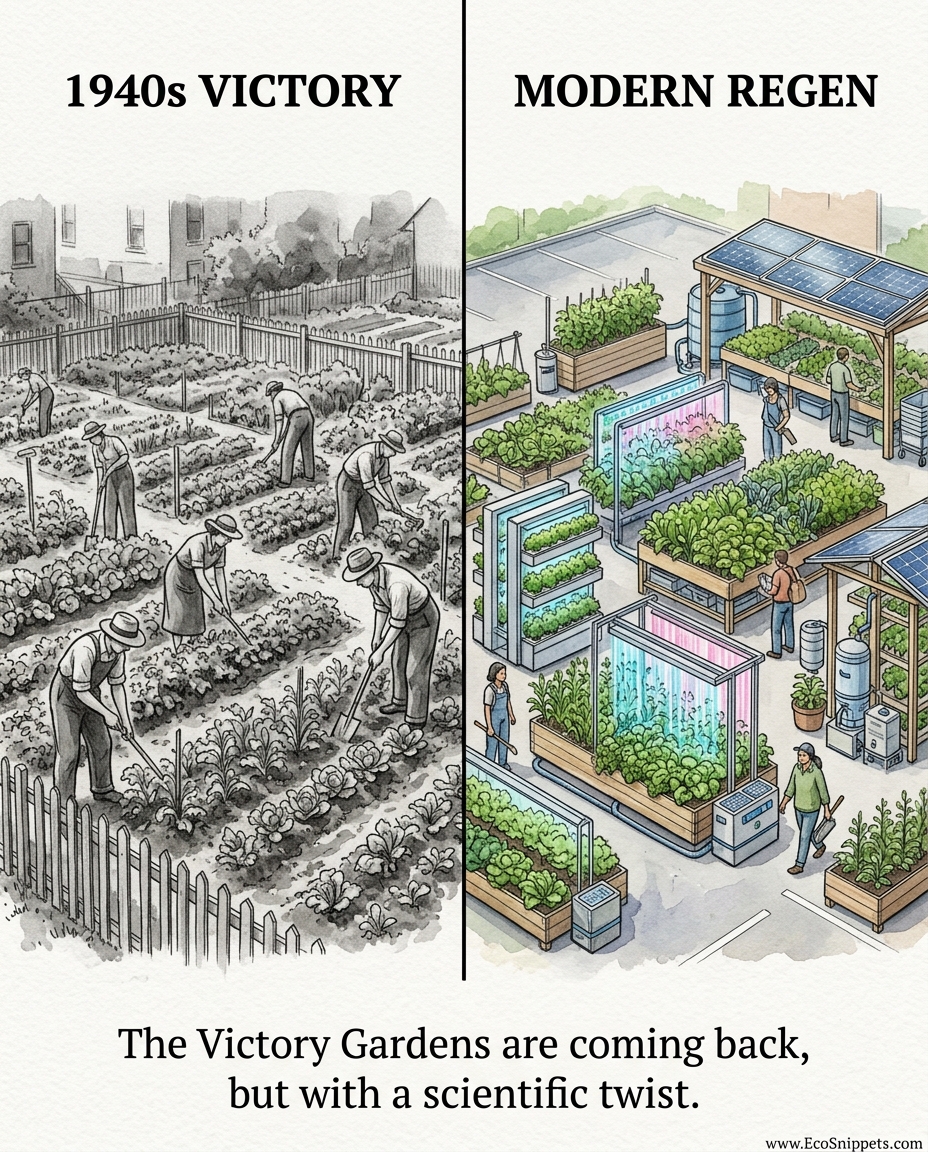
Meet Erik Cutter, a regenerative farmer, visionary, and a man who refused to quit.
Twice, developers bulldozed his land. Twice, he rebuilt. Then he did something no one had ever done before: created the world’s first fully regenerative organic farm in a parking lot, delivering biophotonic-rich food to food banks within hours of harvest.
He built a solution that could forever change how you think about the way food is grown....
Preserving your own food at home is incredibly satisfying. You get to enjoy fresh flavors year-round while reducing waste and saving money. You also have complete control over what goes into your preserved foods – no unnecessary additives, just wholesome goodness. Whether you're canning, fermenting, or freezing, it's a great way to stay connected with traditional methods and ensure your pantry is always stocked with healthy, homemade options.
With Harvest Right you can preserve your home grown produce, create the perfect emergency food supply, make camping meals and healthy snacks. And unlike other methods of food preservation, freeze drying does not shrink or toughen food. It retains flavor, color, locks in nutrition, and allows you to preserve your home grown food for as long as 25+ years...
Harvest Right is a leader in food preservation technology. With years of expertise in developing high-quality appliances, they created the Harvest Right Freeze Dryer—an innovative solution for preserving food at home. Their dedication to excellence means everyone can have a trusted method to preserve their favorite foods for years to come. Harvest Right continues to set the standard in food preservation technology. Learn more here.
Here are the basics of preserving food at home. Keep scrolling down to find hundreds of expert food preservations Q&As sent in by site visitors and readers over the years...
Food preservation is all about extending the shelf life of food by using different methods like canning, freezing, or drying. It's great because you can enjoy seasonal produce year-round, reduce waste, and save money by buying in bulk when items are cheap.
Freezing is often the easiest place to start. It doesn’t require any special equipment, and you can freeze almost anything — fruits, veggies, meats — just make sure to use freezer-safe containers or bags to prevent freezer burn.
It depends on the method. Freezing only requires basic containers, while canning needs jars and a water bath or pressure canner. Dehydrating food uses a dehydrator, but you can also use your oven for small batches.
Think about how long you want the food to last and how much time you have. Canning and dehydrating are great for long-term storage, but freezing is quicker if you're short on time or freezer space.
Most fruits, vegetables, and meats can be preserved, but some things, like leafy greens or soft cheeses, can be tricky. They don’t hold up well to certain methods and may lose texture or flavor.
It depends on the method and food type. Canned goods can last over a year, while frozen foods are best within six months to a year. Dehydrated foods, if stored properly, can last years.
Follow instructions carefully, especially with canning. Keep things clean, use the right temperatures, and store food in a cool, dark place. Botulism is rare, but it’s the reason pressure canning is needed for low-acid foods.
Yes, many methods don’t require added sugar or salt. For example, freezing and dehydrating don’t rely on these preservatives, though you may need to adjust for taste when you use the preserved food.
Use cool, dry places for canned and dried foods, and airtight containers for frozen items. Label everything with dates so you know what to use first, and check for spoilage before eating.
Start small and experiment! Try one method at a time and learn from each batch. As you get comfortable, you’ll discover which methods work best for your family and the foods you enjoy most. Plus you have access to a ton of information right here to help you with everything you need.
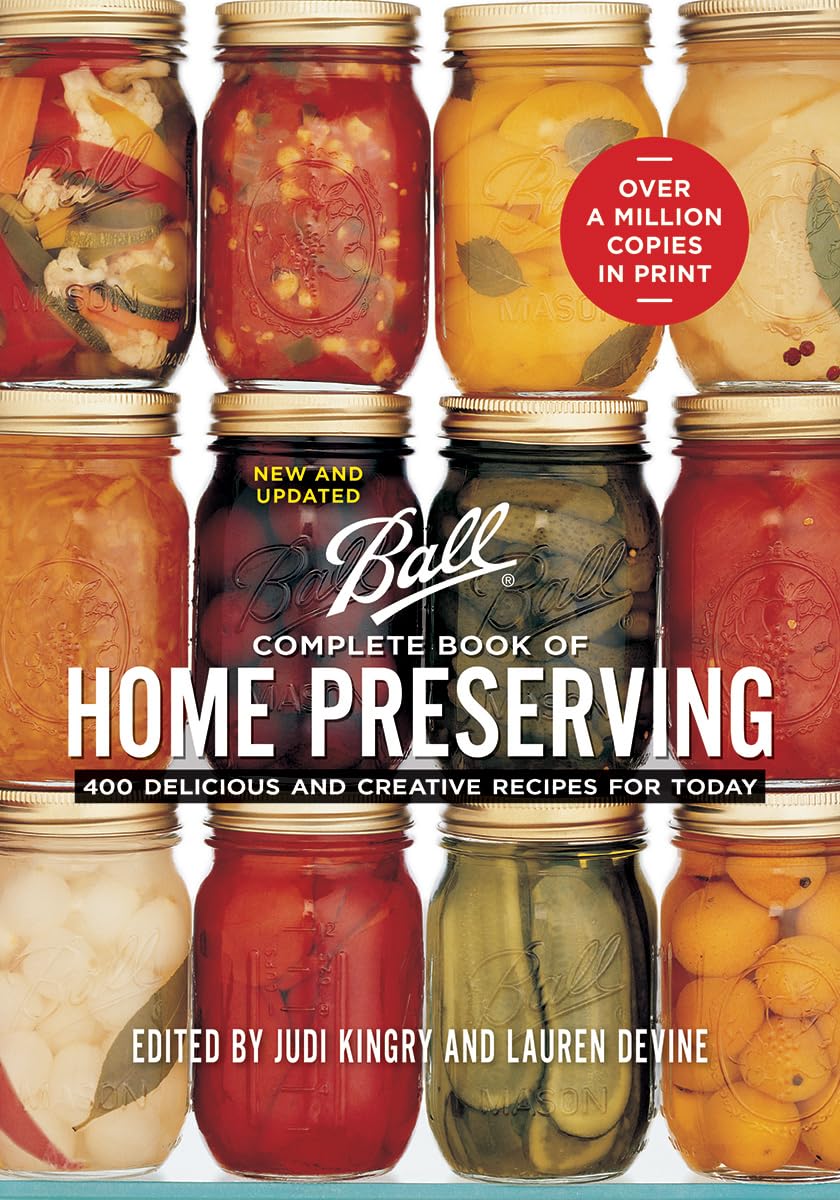
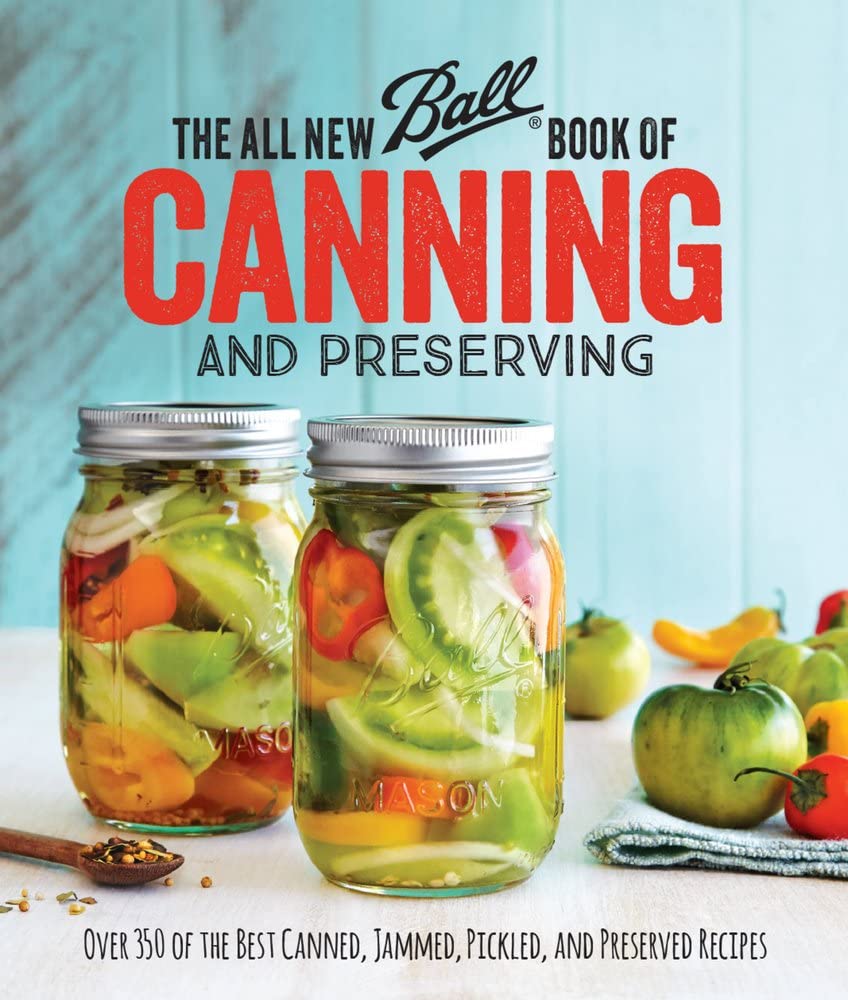
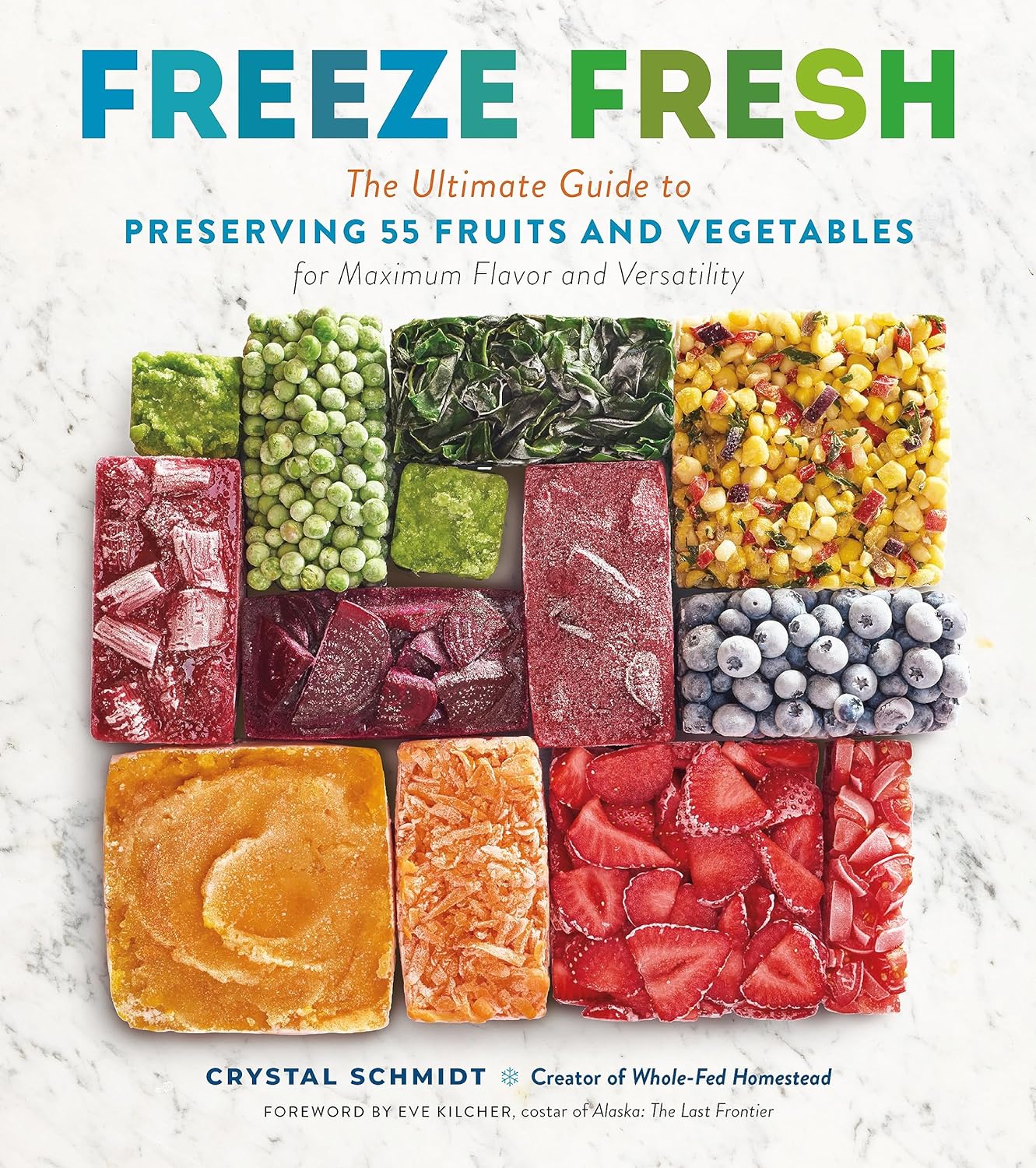
If you're looking for some of the most popular books about preserving food at home, we recommend adding the following to your library...
Hundreds of food preservation Q&A's that our newsletter readers & site visitors have sent in over the years, answered by our experts...
Food Preservation
Food Preservation
Food Preservation
Food Preservation
Food Preservation
Food Preservation
Food Preservation
Food Preservation
Food Preservation
Food Preservation
Food Preservation
Food Preservation
Food Preservation
Food Preservation
Food Preservation
Food Preservation
Food Preservation
Food Preservation
Food Preservation
Food Preservation
Here are some additional food preservation resources you might find valuable. If you have a website you would like listed here, please contact us.
If you have a website useful for those interested in learning more about preserving food, get in touch with us so we can add it here.