How To Become More Self-Sufficient Without Starting a Full-Blown Farm…
Want to start preserving your harvest, making your own soap, or building a backyard root cellar — but not sure where to begin? “Homesteading Advice” gives you instant lifetime access to 35+ practical homesteading books on food preservation, veggie gardening, DIY natural cleaning products (save over $250 per year with this skill alone), brewing, off-grid energy, and a whole lot more…
Click Here To Check It Out Now!
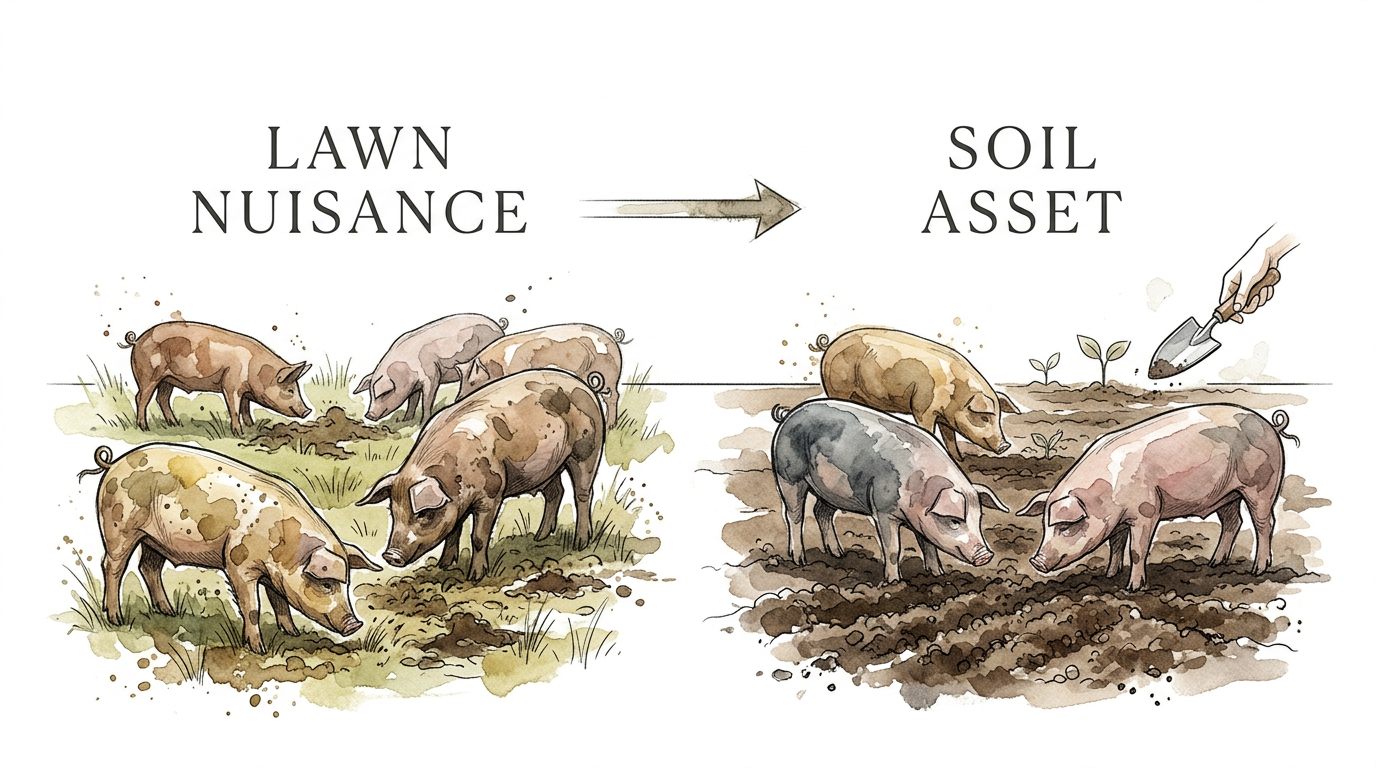
That destructive rooting behavior is actually a professional-grade tilling service if you just change the location. Stop fighting the pig’s natural instinct to dig and start using it to your advantage. Moving a temporary fence to your future vegetable patch ensures your hogs will clear weeds, aerate the soil, and fertilize the ground for free. It’s time to stop paying for gas and let the livestock do the heavy lifting.
Harnessing the power of a pig’s snout is a practice as old as the hills. Our ancestors didn’t have the luxury of internal combustion engines or heavy-duty rototillers. They understood that every animal on the homestead has a job, and the hog’s job is to be the ultimate earth-mover. This approach turns a perceived problem—destructive rooting—into a high-value agricultural asset.
Modern homesteading often forgets these ancestral rhythms. People spend hundreds of dollars on machines that compact the soil and kill beneficial earthworms. Meanwhile, they keep their pigs in a muddy pen where their energy goes to waste. Reclaiming this wisdom means viewing your livestock as partners in land management rather than just a future source of bacon.
Working with nature requires a shift in perspective. You are not just raising meat; you are managing a biological system that improves with every pass of the snout. This guide will show you how to transform a wild patch of weeds into a fertile garden bed using nothing but the grit and determination of a few healthy hogs.
How To Use Pigs To Till Garden Soil
Pigs possess a biological drive to root for grubs, roots, and minerals. This behavior is essentially a natural version of deep-soil tilling. Their snouts act like powerful chisel plows, capable of turning over heavy sod and reaching depths that a standard garden tiller could never touch. The concept involves confining these animals to a specific area for a set duration until the ground is thoroughly worked.
Success with this method depends on the “pig tractor” or rotational paddock system. Instead of giving pigs the run of an entire acre, you concentrate their efforts on a small, manageable plot. This density ensures that every square inch of the garden site receives the attention of a rooting snout. The hogs do not just stir the dirt; they consume weed seeds, destroy invasive root systems, and deposit high-nitrogen manure exactly where the plants will need it most.
Using pigs for tillage serves multiple purposes in a regenerative system. It clears the land of brush and brambles that would stall a mechanical tiller. It also breaks the cycles of pests and soil-borne diseases by exposing larvae to the air and the pigs’ keen sense of smell. This process creates a “sterilized” but biologically active seedbed that is ready for the next phase of your garden’s life.
The Mechanics of the Swine Plow
The physical action of a pig rooting is remarkably efficient. A hog’s snout is a mass of muscle and sensitive nerves, allowing it to navigate the soil with precision. When a pig encounters a buried thistle root or a patch of quackgrass, it doesn’t just cut the plant; it excavates the entire root system to eat it. This deep removal is the key to long-term weed suppression.
Concentrating the pigs’ activity is the primary goal of the homesteader. A “pig tractor” is a movable pen, often with an integrated shelter, that is shifted across the landscape every few days or weeks. This allows for precise control over the depth and intensity of the tillage. If the ground is particularly tough or compacted, keeping the hogs in one spot for a longer duration will eventually break the hardpan.
Moisture levels play a massive role in how the soil reacts to pig tillage. Dry soil is harder for pigs to penetrate, while overly wet soil can lead to “pugging,” where the pigs’ weight creates deep, compacted ruts. Timing the tillage to coincide with moderate soil moisture ensures the best results. The goal is to leave the soil crumbly and aerated, not a muddy mess.
Benefits of Livestock Tillage
Fuel savings are the most immediate and measurable benefit. A mechanical rototiller requires gasoline, oil, and physical strength to operate. Hogs, on the other hand, run on the very weeds and grubs they are removing. This conversion of “waste” into “work” and eventually “meat” is the hallmark of a self-sufficient homestead.
Soil structure improves significantly under the care of a hog’s snout. Rototillers tend to create a “plow pan”—a hard, compacted layer just beneath the reach of the blades. Pigs root at varying depths, which prevents this compaction and allows for better water infiltration. Their manure is also incorporated directly into the soil profile rather than just sitting on the surface, which speeds up the decomposition process and builds organic matter.
Weed and pest management are superior when using livestock. Pigs are particularly fond of the roots of perennial weeds like Canada thistle and morning glory. These plants often thrive after mechanical tilling because a metal blade merely chops the roots into smaller pieces, each of which can grow into a new plant. Pigs eat the roots, ending the plant’s life cycle. They also hunt down grubs, Japanese beetle larvae, and other garden pests that hibernate in the soil.
Fertilization happens in real-time. As the pigs work the ground, they are depositing a rich mixture of manure and urine. This “hot” fertilizer is rich in nitrogen, phosphorus, and potassium. Because the pigs are also tilling, these nutrients are mixed into the soil rather than being washed away by rain. This creates a nutrient-dense environment that can sustain heavy-feeding vegetable crops like corn or pumpkins.
Challenges and Common Pitfalls
Over-tilling is a frequent mistake for beginners. If pigs are left on a small plot for too long, they will eventually turn the soil into a fine dust or a deep mud pit. This destroys the soil’s biology and can lead to erosion during heavy rains. Monitoring the progress daily and moving the pigs as soon as the sod is broken is vital for maintaining soil health.
Escape artists are another reality of raising hogs. Pigs are incredibly smart and will test a fence daily. If they find a weak spot, your garden tillage project can quickly turn into a landscape-wide disaster. Using high-quality electric fencing is the only way to ensure they stay exactly where they are supposed to be. Training the pigs to the fence in a secure area before moving them to the garden site is a non-negotiable step.
Mud management during rainy seasons can ruin a garden plot. While pigs love to wallow, a garden bed should never become a wallow. Excessive moisture combined with pig traffic leads to severe compaction and “sour” soil. Always have a backup plan or a sacrifice area where pigs can go if the weather turns too wet for the garden plot to handle.
Smell and neighbor relations must be considered. While a well-managed rotational system has very little odor, a stationary pig pen on a future garden site can become pungent. Keeping the pigs moving and ensuring they have plenty of bedding, like straw or wood chips, helps lock in the nitrogen and suppress odors. This bedding eventually breaks down into excellent compost, further enriching the soil.
Limitations of the Method
Steep slopes are generally not suitable for pig tilling. The disturbance of the soil, combined with the animals’ weight, can trigger significant erosion. If you are prepping a hillside, you must use a much slower rotation or choose a different method entirely. Flat or gently rolling terrain is the ideal environment for this type of land preparation.
Pathogen safety is a critical constraint. Pig manure can carry pathogens like E. coli and Salmonella. This means you cannot simply remove the pigs and plant lettuce the next day. A “cooling off” period is required to allow the soil biology to process the manure and neutralize any potential health risks. This makes pig tilling a seasonal tool rather than an on-demand service.
Large-scale operations face logistical hurdles. While pigs are great for a quarter-acre vegetable patch, using them to prep 50 acres of field crops requires a massive number of animals and a complex fencing infrastructure. This method shines in the intensive, small-scale context of a kitchen garden or a small market farm.
Pigs vs. Mechanical Rototillers
| Factor | Pigs (Livestock Tillage) | Gas Rototiller |
|---|---|---|
| Energy Source | Weeds, roots, and grubs (Renewable) | Gasoline and oil (Non-renewable) |
| Soil Compaction | Low (if managed correctly) | High (creates plow pan) |
| Fertilization | Immediate and organic | None (requires manual addition) |
| Weed Control | Excellent (eats the roots) | Moderate (can spread root fragments) |
| Speed | Slow (days to weeks) | Fast (hours) |
Practical Tips for Success
Training your pigs to an electric fence is the most important first step. Use a secure, permanent pen with a strand of electric wire on the inside. Once the pigs learn that the wire bites, they will respect even a flimsy-looking temporary fence in the garden. This psychological barrier is what makes the whole system possible.
Scattering “work bait” can speed up the tilling in specific areas. If you have a stubborn patch of sod or a cluster of rocks you want surfaced, throw a few handfuls of whole corn or fermented grain over the area. The pigs will dig deep to find every last kernel, thoroughly working the soil in the process. This technique allows you to direct their energy exactly where it is needed.
Providing shade and fresh water is essential for the pigs’ health and productivity. A pig that is overheating or thirsty will stop working and start looking for a way out. A simple, mobile A-frame shelter and a sturdy water trough must move with the pigs into every new paddock. Happy, comfortable pigs are much more efficient tillers.
Monitoring the soil moisture ensures you don’t do more harm than good. If you can squeeze a handful of soil into a ball and it doesn’t crumble, it is too wet for the pigs to be tilling. In these cases, move the pigs to a wooded area or a high-ground “sacrifice” pen until the garden site dries out. Protecting the soil structure is your number one priority.
Advanced Considerations for Serious Practitioners
Integrating pigs into a wider crop rotation takes this method to the next level. For example, you might follow a corn crop with pigs to clean up the stalks and dropped ears, then move the pigs to a fresh area and plant clover as a cover crop. This constant cycle of animal disturbance followed by plant recovery builds massive amounts of topsoil over time.
Selecting the right breed can also make a difference. Heritage breeds like the Berkshire, Tamworth, or Mangalitsa are often more inclined to root and forage than modern commercial breeds. These “pioneer” pigs have retained the instincts necessary to thrive in a pasture-based system. They are hardier, better at handling the elements, and more efficient at converting wild forage into muscle.
Micro-nutrient management is another advanced technique. You can use pigs to distribute specific soil amendments. If your soil test shows a calcium deficiency, adding crushed eggshells or lime to the pigs’ feed will result in a perfectly even distribution of that nutrient across the garden bed through their manure. This is much more efficient than trying to spread fine powders by hand in the wind.
The 120-Day Rule for Food Safety
Understanding the 120-day rule is vital for any gardener using raw manure. The USDA National Organic Program guidelines recommend waiting 120 days between the application of raw manure (or the removal of livestock) and the harvest of crops that come into contact with the soil. This includes root vegetables like carrots, potatoes, and onions, as well as leafy greens and low-growing fruits like strawberries.
For crops that do not touch the soil—such as sweet corn, trellised tomatoes, or fruit trees—the waiting period is reduced to 90 days. Following these guidelines ensures that any pathogens present in the pig manure have been fully broken down by soil microbes and UV exposure. This safety window makes the fall an ideal time for pig tilling; you can have the pigs work the ground in October or November, and by the time you harvest your first spring crops, the 120-day window has safely passed.
Ignoring this rule can lead to serious foodborne illness. While the risk in a home garden is lower than in a commercial setting, it is never worth the gamble. Use the “rest period” to plant a cover crop like winter rye or clover. This keeps the soil covered, prevents erosion, and provides an extra layer of organic matter to be turned under when you are finally ready to plant your vegetables.
Example Scenario: Prepping a Thistle-Ridden Patch
Imagine a 2,000-square-foot area of your property that has been overtaken by Canada thistle and heavy sod. Clearing this with a walk-behind rototiller would be a soul-crushing task that would likely result in an even thicker crop of thistles next year. Instead, you decide to use two 150-pound feeder pigs to do the work.
First, you set up a 20’x20′ paddock using electric poultry netting or hog panels. You move the pigs into this first square and scatter a bit of corn. Within 48 hours, the pigs have completely stripped the surface vegetation and are starting to dig for the thistle roots. By the end of day five, the first square looks like a freshly plowed field.
Moving the fence to the next 400-square-foot square takes about thirty minutes. You repeat this process five times over the course of a month. At the end of thirty days, the entire 2,000-square-foot area is tilled 8 to 12 inches deep. The thistles are gone, the soil is fertilized, and the pigs have gained thirty pounds each. You then sow a cover crop of buckwheat to hold the soil until the 120-day safety period is over.
Final Thoughts
Relying on livestock for tillage is more than just a labor-saving trick; it is an act of reconnection with the land. It forces the homesteader to observe the soil, the weather, and the animals with a keen eye. This method builds a farm that is more resilient, less dependent on outside inputs, and more in tune with the natural world.
The results of pig tilling are often superior to anything a machine can produce. The soil feels different underfoot—spongier, richer, and full of life. When you eventually pull that first basket of potatoes or ears of corn from the ground, you will know that the fertility of that harvest was built through a partnership between human and animal.
Experiment with this system on a small scale first. Learn how your specific soil reacts and how your pigs behave. Once you master the dance of rotational grazing and livestock tillage, you will likely find yourself looking at your old rototiller as a relic of a louder, more expensive era. Let the hogs do what they were born to do, and watch your garden thrive.
