How To Become More Self-Sufficient Without Starting a Full-Blown Farm…
Want to start preserving your harvest, making your own soap, or building a backyard root cellar — but not sure where to begin? “Homesteading Advice” gives you instant lifetime access to 35+ practical homesteading books on food preservation, veggie gardening, DIY natural cleaning products (save over $250 per year with this skill alone), brewing, off-grid energy, and a whole lot more…
Click Here To Check It Out Now!
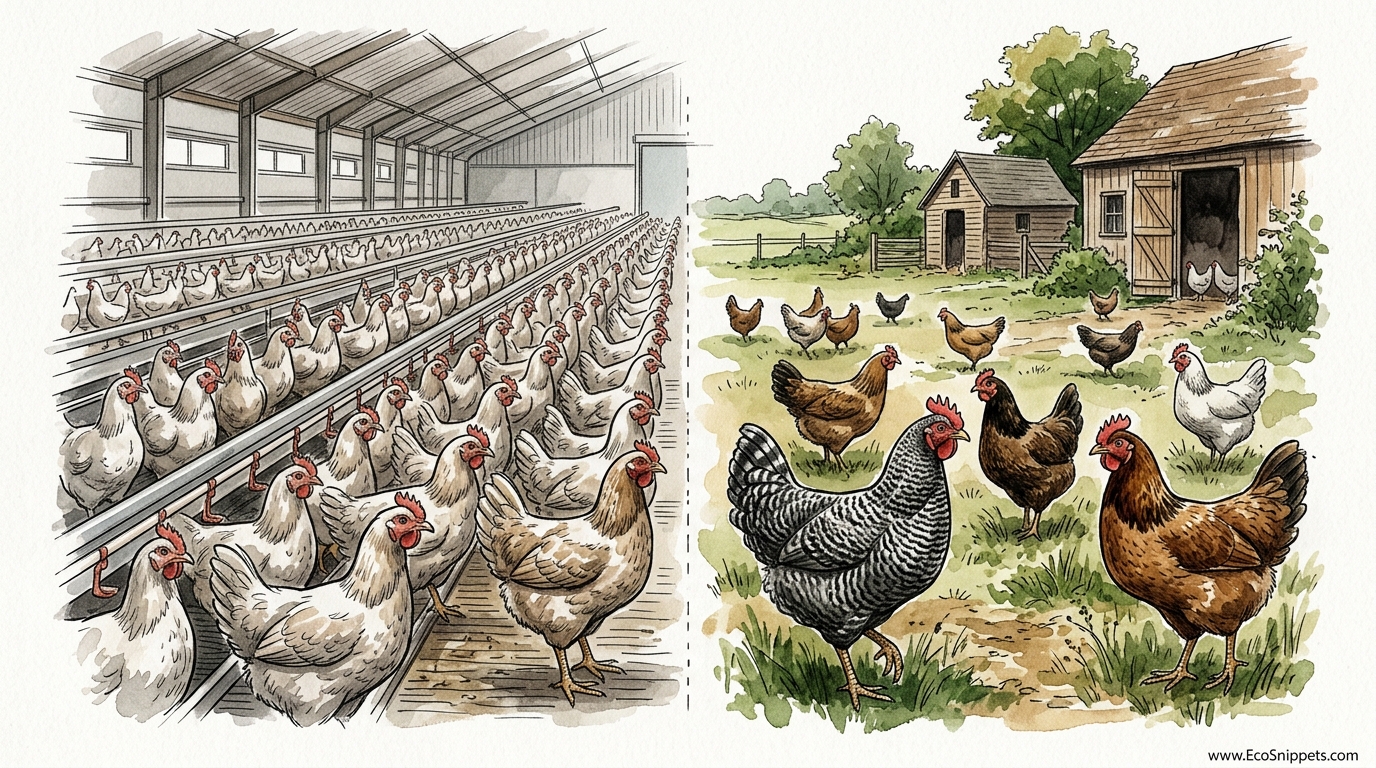
We traded 5,000 years of survival instincts for a bird that can’t live past 8 weeks without a cooling fan. Fifty years ago, a chicken was a resilient partner in homesteading. Today, industrial hybrids are designed for a factory clock, not a farm reality. If your ‘meat birds’ can’t survive a single hot afternoon without a climate-controlled barn, you’re not farming—you’re just managing a high-stakes biological experiment. Discover why heritage genetics are the true foundation of food security.
The modern industrial chicken, known as the Cornish Cross, is a marvel of efficiency but a failure of biology. It grows so fast that its heart and legs often give out before it even reaches the processing table. For the homesteader seeking true self-sufficiency, this dependency on industrial hatcheries and high-energy feeds is a liability. True food security comes from birds that can forage, breed naturally, and survive the elements.
Choosing the right breed means looking backward to a time when a chicken had to earn its keep. These birds might take longer to reach the table, but they bring a depth of flavor and a level of resilience that no factory hybrid can match. They are the “slow food” of the poultry world, turning grass, bugs, and sunshine into nutrient-dense protein.
Best Meat Bird Breeds For Self Sufficiency
Defining the best meat bird for self-sufficiency requires a shift in perspective. You aren’t looking for the fastest growth; you are looking for the most sustainable lifecycle. A self-sufficient breed must be able to reproduce itself, forage for a significant portion of its diet, and provide a substantial carcass.
The Delaware: The Former King of Broilers
The Delaware was once the premier broiler bird of the American poultry industry before the advent of the Cornish Cross in the late 1950s. Developed in the 1940s by crossing Barred Plymouth Rock roosters with New Hampshire hens, it was bred specifically for rapid growth and meat quality. These birds are striking with their white plumage and black barring on the neck and tail, a trait that makes them easy to pluck cleanly.
Delawares are excellent foragers and can reach a processing weight of 2.5 kg to 3.2 kg (5.5 to 7 lbs) in 12 to 16 weeks. They are remarkably hardy and maintain a calm temperament, making them ideal for small farms. Because they breed true, you can keep a permanent flock and never have to buy chicks from a hatchery again.
The New Hampshire Red: High Vigor and Fast Maturity
Originally developed from Rhode Island Reds, the New Hampshire was selected for rapid feathering and early maturity. This breed was a cornerstone of the early 20th-century poultry industry because it produced a heavy, meaty carcass much faster than its ancestors. They typically reach butcher size of 3 kg to 3.8 kg (6.5 to 8.5 lbs) by 16 to 20 weeks.
These birds are exceptionally vigorous and possess a strong “will to live” that industrial hybrids lack. They are aggressive foragers, often finding more than half of their protein through hunting insects and grazing. Their meat is rich, with a flavor profile that reflects their active lifestyle and diverse diet.
The Dark Cornish: The Foundation of Muscle
Do not confuse the heritage Dark Cornish with the industrial Cornish Cross. The heritage version is a close-feathered, heavy-set bird that looks like a prize fighter. While they grow slowly—often taking 22 to 25 weeks to reach a dressed weight of 2 kg (4.5 lbs)—their meat is incredibly dense and flavorful.
The Dark Cornish has the largest breast-to-bone ratio of any heritage breed. They are the primary genetic source for the muscle mass seen in modern broilers, but in their pure form, they are hardy, predator-savvy, and capable of defending themselves. They are the ultimate “homestead tank” for those who prioritize meat quality over speed.
The Buckeye: The Cold-Hardy Specialist
Developed in Ohio by Nettie Metcalf, the Buckeye is the only American breed credited to a woman. These birds were designed to survive brutal winters and thrive on a diet of what they could find in the woods and fields. They are unique for their pea comb, which is highly resistant to frostbite.
Buckeyes are active, curious, and famous for their “mousing” ability—they will actually hunt and kill small rodents. They produce a flavorful, firm meat and typically reach a processing weight of 3.2 kg (7 lbs) in about 20 weeks. For those in northern climates, the Buckeye is the gold standard for self-reliant poultry.
The Jersey Giant: The Heavyweight Champion
If you have the patience, the Jersey Giant offers the largest carcass of any heritage breed. Developed in New Jersey to compete with the turkey market, these birds can eventually reach 5 kg to 6 kg (11 to 13 lbs). However, they are slow growers, requiring 6 to 9 months to reach full maturity.
The Jersey Giant is a gentle giant with a calm disposition. They are not as active as the Delaware or Buckeye, but their sheer size makes them a formidable presence in the yard. They are ideal for the homesteader who wants a massive roasting bird for a holiday meal and is willing to wait for the quality to develop.
How to Establish a Self-Sustaining Meat Flock
Transitioning from “buying meat birds” to “breeding meat birds” is a multi-step process that requires careful selection and infrastructure. You cannot simply let any two chickens mate and expect a high-quality table bird; you must become a steward of the genetics.
Step 1: Selection of Parent Stock
Start with the best quality birds you can find, preferably from a breeder who selects for meat characteristics rather than just “show” standards. Look for birds with wide breasts, long keels, and strong legs. Avoid birds that are thin or show signs of lethargy.
Step 2: Managing the Breeding Cycle
For true self-sufficiency, you need a system that ensures a steady supply of meat without inbreeding. A common method is the “three-pen system.” You maintain three separate groups of the same breed and rotate the roosters every year. This maintains genetic diversity for up to 20 years without needing to bring in outside blood.
Step 3: Hatching and Brooding
While you can use an incubator, a truly self-sufficient farm relies on “broody” hens. Breeds like the Dark Cornish or Orpington are excellent mothers. They will sit on a clutch of eggs, hatch them, and protect the chicks from predators, eliminating the need for expensive heat lamps and climate-controlled brooders.
Step 4: The Growing Phase
Unlike industrial birds that must be confined to prevent injury, heritage meat birds should be allowed to roam. A mobile “chicken tractor” is an excellent tool. It provides protection from predators while allowing the birds to access fresh pasture every day, which significantly reduces your feed bill and improves the nutrient density of the meat.
Benefits of Heritage Meat Breeds
Choosing heritage genetics over industrial hybrids provides several measurable advantages that go beyond simple economics. These benefits impact the health of the land, the health of the birds, and the quality of the food on your table.
Unmatched Nutritional Density
Because heritage birds grow slowly and move constantly, their meat is fundamentally different at a molecular level. It contains higher levels of Omega-3 fatty acids and Vitamin A compared to sedentary industrial birds. The dark meat is richer in iron and zinc because the muscles are actually used for locomotion and foraging.
Natural Resilience and Health
You will rarely see a heritage bird die of a “heart attack” or develop “green muscle disease”—common ailments in the Cornish Cross. Heritage birds have robust immune systems and are better equipped to handle temperature fluctuations. A sudden heat wave that might kill a flock of industrial broilers will barely faze a well-hydrated Delaware or New Hampshire Red.
Superior Flavor and Culinary Versatility
The “chicken flavor” we associate with gourmet cooking comes from age and exercise. Heritage birds have a complex, savory profile that holds up to long braising and roasting. The bones are also much denser and mineral-rich, producing a gelatinous, medicinal-grade bone broth that industrial birds simply cannot match.
Challenges of Raising Heritage Meat Birds
While the benefits are significant, the “heritage path” is not without its difficulties. Newcomers often struggle when they apply industrial management techniques to traditional breeds.
The Time and Feed Investment
The most obvious challenge is the time to harvest. You are looking at 16 to 24 weeks compared to the industrial 8 weeks. This means more days of feeding, more days of watering, and more days of protecting them from predators. If you are buying 100% of your feed, the cost per pound of meat will be significantly higher than grocery store prices.
The “Toughness” Factor
If you cook a 20-week-old heritage rooster like a 7-week-old supermarket bird, you will be disappointed. The muscle fibers are more developed and the connective tissue is stronger. These birds require “low and slow” cooking methods. Failure to adjust your culinary approach is the most common reason people give up on heritage meat.
Predator Pressure
Because heritage birds are kept longer and often raised on pasture, they are exposed to predators for a longer period. Hawks, foxes, and raccoons have more opportunities to find your flock. You must invest in high-quality fencing and potentially livestock guardian dogs to protect your investment over the six-month grow-out period.
Limitations of Self-Sufficient Poultry
Heritage meat birds are not a “get rich quick” scheme, and they are not ideal for every environment. Understanding their limits is crucial for setting realistic expectations.
Space Requirements
You cannot raise heritage meat birds in the same high-density conditions as broilers. They require space to move and forage. If you are limited to a small backyard with no grass, heritage birds will become bored, aggressive, and expensive to feed. They are designed for the wide-open spaces of a farm or a large homestead.
Processing Complexity
Processing a heritage bird is more physically demanding. Their skin is tougher, their feathers are more deeply rooted, and their skeletal structure is much harder. An industrial plucker that handles a soft Cornish Cross might struggle with the stiff feathers of a mature Dark Cornish rooster.
Seasonal Timing
Unlike industrial birds that can be raised year-round in climate-controlled sheds, heritage birds are tied to the seasons. You typically hatch in the spring so they can grow during the abundance of summer and be processed in the fall before the feed costs spike in winter. This requires a level of planning and foresight that many modern farmers aren’t used to.
Comparison: Industrial vs. Ranger vs. Heritage
Choosing the right bird depends on your specific goals for speed, flavor, and sustainability.
| Feature | Cornish Cross (Industrial) | Freedom Ranger (Hybrid) | Delaware (Heritage) |
|---|---|---|---|
| Age at Harvest | 6-8 Weeks | 9-12 Weeks | 16-20 Weeks |
| Reproduction | No (Infertility/Health) | No (Does not breed true) | Yes (Self-Sustaining) |
| Foraging Ability | Very Low | Moderate | Very High |
| Meat Flavor | Mild / Bland | Good | Excellent / Rich |
| Maintenance | High (Fragile) | Moderate | Low (Resilient) |
Practical Tips for Raising Heritage Meat Birds
If you are ready to make the switch, follow these best practices to ensure a successful harvest and a healthy flock.
- Start with High Protein: Even though they grow slower, chicks still need a 20-22% protein starter for the first 4 weeks to build a strong skeletal frame.
- Limit Feed After 8 Weeks: To encourage foraging and prevent laziness, consider a “12 hours on, 12 hours off” feeding schedule once they are established on pasture.
- The Resting Period: After processing, heritage birds must rest in the refrigerator for 48 to 72 hours before freezing or cooking. This allows rigor mortis to pass, ensuring the meat is tender.
- Slow Cooking is Key: Treat heritage meat like grass-fed beef. Braising, stewing, or using a pressure cooker will yield the best results for birds older than 16 weeks.
- Cull for the Table: When breeding your own, always process the most aggressive roosters first. This improves the temperament of your permanent flock while filling the freezer.
Advanced Considerations for the Serious Practitioner
Once you have mastered the basics of heritage meat production, you can begin to fine-tune your flock’s genetics for specific performance metrics.
Selection for Breast Width
Most heritage birds are “narrow” compared to industrial standards. You can improve this by using a “breast gauge” or simply feeling the width of the pectorals on your breeding roosters. By only breeding the widest-breasted 10% of your flock, you can significantly increase the meat yield of your offspring over five or six generations.
Cross-Breeding for “Hybrid Vigor”
A common advanced strategy is the “terminal cross.” You maintain a pure line of New Hampshires and a pure line of Dark Cornish. When you want a batch of meat birds, you cross a Dark Cornish rooster with New Hampshire hens. The resulting chicks often grow faster and meatier than either parent, but you don’t keep them for breeding—you process the whole batch.
Fermented Feed and Silage
To further reduce costs and improve gut health, many advanced practitioners ferment their poultry grain. This increases the bioavailability of nutrients and introduces probiotics. In some climates, you can even produce “poultry silage” from grass clippings and clover to provide green feed throughout the winter months.
Example: A One-Year Self-Sufficiency Cycle
Consider a homestead in a temperate climate. In March, the homesteader sets 50 eggs from their Delaware flock into an incubator or under a broody hen. By April, the chicks are on pasture in a protected tractor.
During the lush months of May and June, the birds forage heavily on clover and grasshoppers, significantly reducing the amount of purchased grain they require. By July, the young “broilers” (8-10 weeks old) that show slower growth or poor confirmation are culled for light summer meals.
In September, at 20 weeks of age, the remaining “roasters” are processed. The homesteader selects the two finest roosters and the ten best pullets to join the permanent breeding flock, ensuring the cycle can begin again the following spring. The freezer is now full of 3 kg (6.5 lbs) birds that cost half as much to raise as they would have without the pasture and natural breeding.
Final Thoughts
The path to self-sufficiency is rarely the path of least resistance. Choosing heritage meat birds requires more time, more space, and a deeper understanding of animal husbandry than simply ordering a box of hybrid chicks every spring. However, the rewards are a bird that can survive a heat wave, a meal that tastes like history, and a farm that is no longer beholden to an industrial supply chain.
By investing in breeds like the Delaware, Buckeye, or Dark Cornish, you are doing more than just feeding your family. You are preserving genetic diversity that was nearly lost to the factory farm. You are reclaiming the skills of the ancestors who understood that true security isn’t found in a grocery store aisle, but in the resilient life cycles of the backyard.
Experiment with these breeds and find the one that fits your land and your palate. Whether you prefer the massive frame of the Jersey Giant or the quick vigor of the New Hampshire Red, the goal is the same: a sustainable, independent, and delicious food future.
