How To Become More Self-Sufficient Without Starting a Full-Blown Farm…
Want to start preserving your harvest, making your own soap, or building a backyard root cellar — but not sure where to begin? “Homesteading Advice” gives you instant lifetime access to 35+ practical homesteading books on food preservation, veggie gardening, DIY natural cleaning products (save over $250 per year with this skill alone), brewing, off-grid energy, and a whole lot more…
Click Here To Check It Out Now!
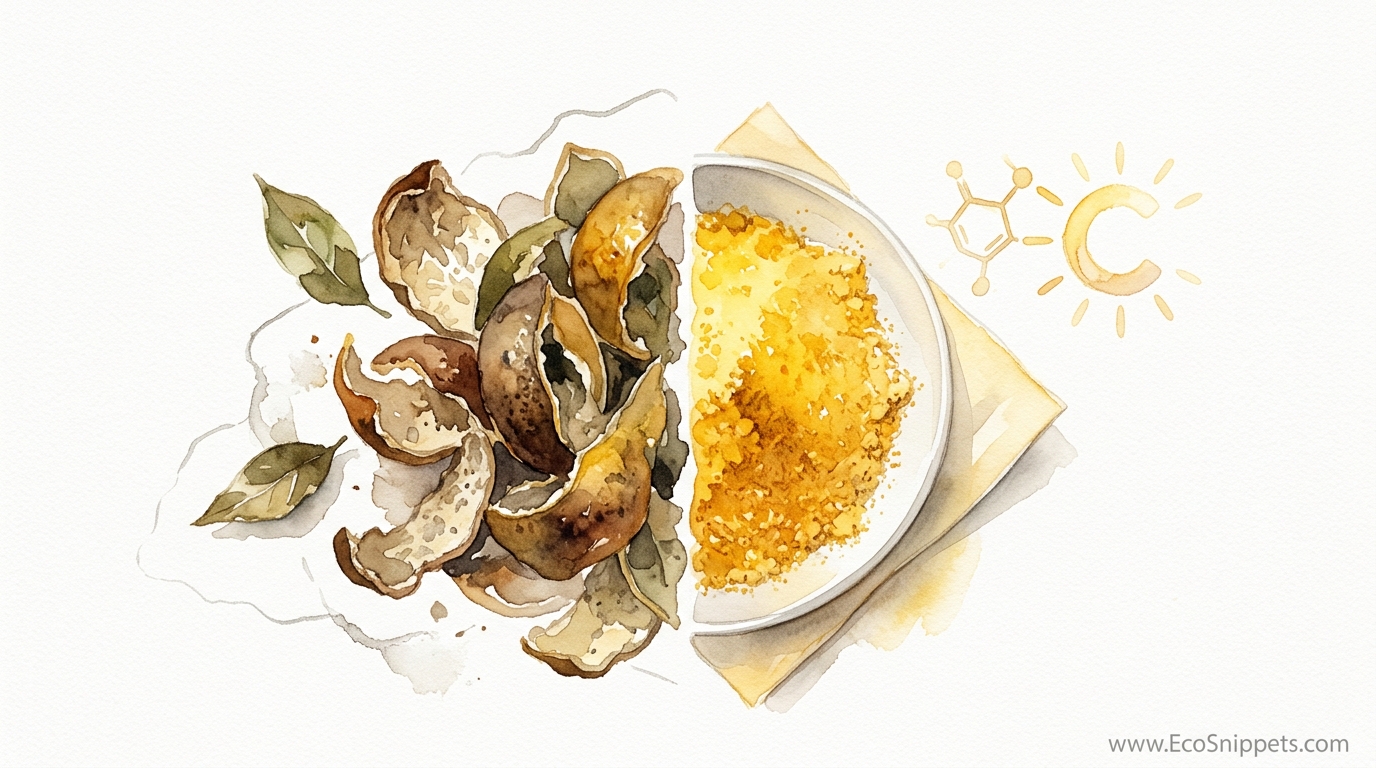
You are literally throwing away the most concentrated source of Vitamin C in your kitchen every single morning. Most people only eat the fruit and toss the cure. Citrus rinds contain up to 10 times more vitamins than the juice itself. Instead of filling the landfill, dry those rinds and grind them into a potent, zero-waste immunity powder that adds a massive flavor kick to your spice cabinet.
For generations, families kept a jar of dried citrus in the larder for winter ailments and flavoring heavy stews. This simple practice turns what we now call “trash” into a high-value nutritional supplement and a versatile culinary tool. Transforming orange, lemon, or grapefruit skins into a fine powder ensures that not a single drop of sunshine goes to waste.
This guide will walk you through the process of creating your own citrus peel powder. You will learn the science behind why it works, the best ways to prepare it, and the many ways to integrate this ancestral wisdom into your modern life.
How To Make Citrus Peel Powder For Vitamin C
Citrus peel powder is exactly what it sounds like: the dried and pulverized outer skin of citrus fruits such as oranges, lemons, limes, and grapefruits. While the world focuses on the sweet, acidic juice inside, the real treasure chest of nutrients sits in the tough, oily exterior. This powder represents a concentrated form of the fruit’s defense system, packed with essential oils and antioxidants meant to protect the seeds inside.
In a practical sense, citrus peel powder is a shelf-stable seasoning and health booster. It captures the volatile oils that evaporate quickly from fresh zest and preserves them for months. In many traditional cultures, especially in East Asia, aged citrus peels are considered more valuable than the fruit itself. This powder serves as an accessible way to bring that concentration of nutrients into your daily routine.
The powder is widely used in kitchen pantries as a substitute for fresh zest when citrus isn’t in season. It is also a staple in natural medicine cabinets. Because it is highly concentrated, a small teaspoon of this powder can deliver a powerful dose of bioflavonoids and Vitamin C that the juice alone cannot match. It bridges the gap between culinary enjoyment and functional health.
How to Do It: A Step-by-Step Process
The transformation from fresh fruit to golden powder requires patience and a gentle touch to preserve the heat-sensitive Vitamin C.
Start with high-quality fruit. Whenever possible, choose organic citrus because the skin is the primary site for pesticide accumulation. If organic isn’t available, scrub the fruit vigorously with a mixture of water and baking soda or a dilute vinegar solution to remove wax and surface residues.
Peeling is the most critical technical step. Use a sharp vegetable peeler or a paring knife to remove only the colored part of the skin, known as the flavedo. The white, spongy layer underneath is the albedo, or pith. While the pith contains fiber, it is also intensely bitter and can overpower the flavor of your powder. Aim for thin strips that show the “pores” of the oil glands on the back.
Once you have your strips, you must dry them until they are completely brittle. Moisture is the enemy of shelf-life. You have three primary options for drying:
- Air Drying: Place peels in a single layer on a wire rack in a well-ventilated area away from direct sunlight. This is the most traditional method but can take 3 to 7 days depending on humidity. It preserves the most nutrients but requires a dust-free environment.
- Dehydrating: Use a dedicated food dehydrator set to a low temperature, ideally between 35°C and 45°C (95°F to 113°F). This gentle heat speeds up the process to 12–24 hours while keeping the enzymes and Vitamin C intact.
- Oven Drying: If your oven has a “warm” setting or can go as low as 50°C (120°F), you can dry peels on a baking sheet lined with parchment paper. Keep the door slightly ajar to let moisture escape. Check them every 30 minutes to ensure they don’t brown or toast, which destroys the delicate flavor and nutrients.
Test for readiness by trying to snap a piece of peel. If it bends, it still holds water. If it cracks cleanly like a cracker, it is ready.
Grinding turns the brittle chips into a versatile powder. A dedicated coffee or spice grinder works best for a fine consistency. Pulse the grinder in short bursts to avoid heating the powder through friction. Sift the result through a fine-mesh strainer and re-grind any large pieces. Store the final product in a dark glass jar in a cool, dry cupboard.
Benefits and Advantages
The primary advantage of citrus peel powder is its sheer nutrient density. While the pulp of an orange is famous for Vitamin C, the peel contains significantly higher concentrations per gram. It is also rich in hesperidin and naringin, which are bioflavonoids that help the body absorb and utilize Vitamin C more effectively.
Culinary benefits are equally impressive. Fresh zest loses its punch within minutes of being grated. Citrus powder, however, locks in those aromatic oils. It provides a bright, acidic lift to dishes without adding extra liquid. This makes it ideal for dry rubs, spice blends, and baking recipes where moisture balance is delicate.
Choosing to make your own powder also contributes to a zero-waste lifestyle. Roughly 40% to 50% of the mass of a citrus fruit is the peel, which usually ends up in a landfill where it produces methane. By upcycling this “waste,” you create a premium product for the cost of the fruit you were already going to eat.
Health-wise, the presence of D-limonene in the peel supports liver detoxification and helps with digestive sluggishness. Many people find that a small amount of the powder in warm water acts as a “bitter” that stimulates bile production and eases bloating after a heavy meal.
Challenges and Common Mistakes
The most frequent error is insufficient cleaning. Conventional citrus is often coated in food-grade wax to prevent moisture loss during shipping. This wax can trap pesticides against the skin. If you don’t scrub the fruit before peeling, those chemicals will be concentrated in your final powder.
Using too much white pith is another common pitfall. Beginners often peel too deeply, resulting in a powder that is more bitter than zesty. While the pith isn’t harmful, it changes the culinary profile of the powder from a bright seasoning to a medicinal-tasting additive. Practice using a light touch with the peeler to get “zest-only” strips.
High-heat drying is a subtle but significant mistake. Vitamin C is highly sensitive to heat. If you dry your peels in a hot oven (above 70°C or 160°F), you are essentially cooking the nutrients out of the skin. The powder will still smell like citrus, but its medicinal value will be severely compromised. Patience at lower temperatures is mandatory for a high-quality result.
Finally, improper storage can ruin weeks of work. Because the powder is ground, it has a massive surface area exposed to oxygen. If stored in a plastic bag or a clear jar on a sunny windowsill, the oils will go rancid and the color will fade. Always use airtight, dark glass containers.
Limitations: When This May Not Be Ideal
Citrus peel powder is not a direct replacement for fresh citrus juice in recipes that require acidity. While the powder is “bright,” it does not contain the same volume of citric acid as the juice. If a recipe depends on the liquid acid to react with baking soda or to chemically “cook” fish (like ceviche), the powder will not suffice.
People with specific citrus allergies or sensitivities should exercise caution. Because the powder is a concentrated form of the fruit’s oils and phytochemicals, it can trigger stronger reactions than the juice. Start with a very small amount to ensure your system tolerates the high concentration of limonene and other terpenes.
Environmental humidity can also be a limiting factor. In tropical or extremely humid climates, air-drying peels is nearly impossible without risk of mold. In these regions, a mechanical dehydrator or oven is necessary to ensure the peels dry fast enough to prevent spoilage. If you see any fuzzy growth or dark spots during the drying process, the batch must be discarded.
Optional Comparison: Peels vs. Pulp
Understanding the difference between the fruit and the rind helps you use both more effectively. The following table highlights the distinct roles they play in nutrition and the kitchen.
| Feature | Citrus Pulp / Juice | Citrus Peel Powder |
|---|---|---|
| Vitamin C Density | Moderate (Approx. 50mg/100g) | High (Up to 130mg/100g) |
| Flavonoid Content | Low | Very High (Hesperidin, Naringin) |
| Primary Flavor | Sweet / Acidic | Aromatic / Bitter / Zesty |
| Shelf Life | Short (Days) | Long (6–12 Months) |
| Best Use | Hydration and immediate acid | Flavoring, supplements, cleaning |
While the juice provides immediate hydration and a quick hit of sugar and acid, the peel provides the structural, long-term health benefits associated with citrus. Using them together is the most efficient way to consume the whole plant.
Practical Tips and Best Practices
Maximizing the quality of your powder involves a few professional-level adjustments. Whenever you have an abundance of peels, consider making “single-origin” powders. A jar of pure Meyer Lemon powder has a very different floral profile than a jar of Navel Orange powder. Keeping them separate allows for more precision in your cooking.
Include a small moisture absorber packet or a few grains of rice in your storage jar. Citrus powder is hygroscopic, meaning it pulls moisture from the air. Even a tiny amount of humidity can cause the powder to clump into a hard brick. A desiccant ensures it remains free-flowing for easy measuring.
Try “conditioning” your peels before grinding. After they seem dry, put them in a sealed jar for 24 hours. If you see any condensation on the glass the next day, they aren’t actually dry. Put them back in the dehydrator. This step prevents you from grinding “mostly dry” peels that will eventually mold in the jar.
For a smoother powder, use a fine-mesh sieve after the first grind. The parts of the peel near the stem are often tougher and won’t pulverize as easily. Sifting ensures that you don’t end up with “sandy” bits in your delicate cake batters or smooth teas.
Advanced Considerations: The Chemistry of the Rind
For the serious practitioner, understanding the phytochemicals in the rind changes how you use the powder. The outer layer of the citrus fruit is packed with secondary metabolites designed to repel insects and pathogens.
Limonene is the most abundant terpene in citrus oils. It is being studied for its potential anti-inflammatory and antioxidant properties. When you grind the peels, you are releasing these oils. Some enthusiasts prefer to “cold-grind” by putting the dried peels in the freezer for an hour before processing. This makes the oils more brittle and less likely to gum up the grinder, resulting in a fluffier powder.
Hesperidin is another heavy hitter found almost exclusively in the peel and pith of citrus fruits. It is a bioflavonoid that supports vascular health and reduces inflammation. Because hesperidin is slightly more heat-stable than Vitamin C, it remains potent even if the powder is used in baking or hot teas.
If you are using the powder specifically for its health benefits, consider the timing of your consumption. Taking citrus peel powder with a meal that contains healthy fats can improve the absorption of certain fat-soluble compounds like carotenoids and terpenes found in the colorful flavedo.
Examples and Realistic Scenarios
How does this look in a daily routine? Here are three ways to apply this theory to practice:
Scenario 1: The Morning Immunity Tea
Instead of reaching for a synthetic Vitamin C tablet, add half a teaspoon of orange peel powder to a cup of warm (not boiling) water. Stir in a teaspoon of raw honey and a pinch of ginger. The powder provides a broader spectrum of nutrients than a simple ascorbic acid supplement, and the bitter notes stimulate your digestive system to prepare for breakfast.
Scenario 2: The “Sunshine” Dry Rub
Combine two tablespoons of lemon peel powder with one tablespoon of cracked black pepper, one tablespoon of sea salt, and a teaspoon of dried thyme. This creates a powerful, preservative-free lemon-pepper seasoning. Use it on roasted chicken or grilled fish to provide a bright, professional-grade flavor that store-bought seasonings, often filled with anti-caking agents and artificial “lemon flavor,” cannot replicate.
Scenario 3: Natural Surface Scrub
If a batch of powder accidentally gets too old or loses its vibrant scent for cooking, don’t throw it away. Mix it with equal parts baking soda. Sprinkle this over a damp sink or bathtub and scrub with a cloth. The citric acid and residual oils act as a natural degreaser, while the powder provides a gentle abrasive that won’t scratch surfaces. It leaves the room smelling like a citrus grove without the use of synthetic fragrances.
Final Thoughts
Creating citrus peel powder is a small but revolutionary act of self-reliance. It forces us to slow down and look at our resources through the eyes of our ancestors, who knew that nature rarely produces “trash.” By saving your rinds, you are capturing the most potent part of the fruit and turning it into a versatile tool for both your health and your kitchen.
The process is simple, requiring only a peeler, a bit of warmth, and a way to grind the results. Whether you use it to bolster your immune system during the cold months or to add a zesty brightness to your summer grilling, you will find that this powder quickly becomes an indispensable part of your pantry. It is a reminder that sometimes the most valuable things in our lives are the ones we have been taught to throw away.
Experiment with different fruits and drying methods to find the flavor profile that suits you best. Once you start seeing your breakfast orange as a dual source of juice and spice, you will never look at a citrus rind the same way again. Embrace the grit of the peel and the wisdom of the whole fruit.
