How To Become More Self-Sufficient Without Starting a Full-Blown Farm…
Want to start preserving your harvest, making your own soap, or building a backyard root cellar — but not sure where to begin? “Homesteading Advice” gives you instant lifetime access to 35+ practical homesteading books on food preservation, veggie gardening, DIY natural cleaning products (save over $250 per year with this skill alone), brewing, off-grid energy, and a whole lot more…
Click Here To Check It Out Now!
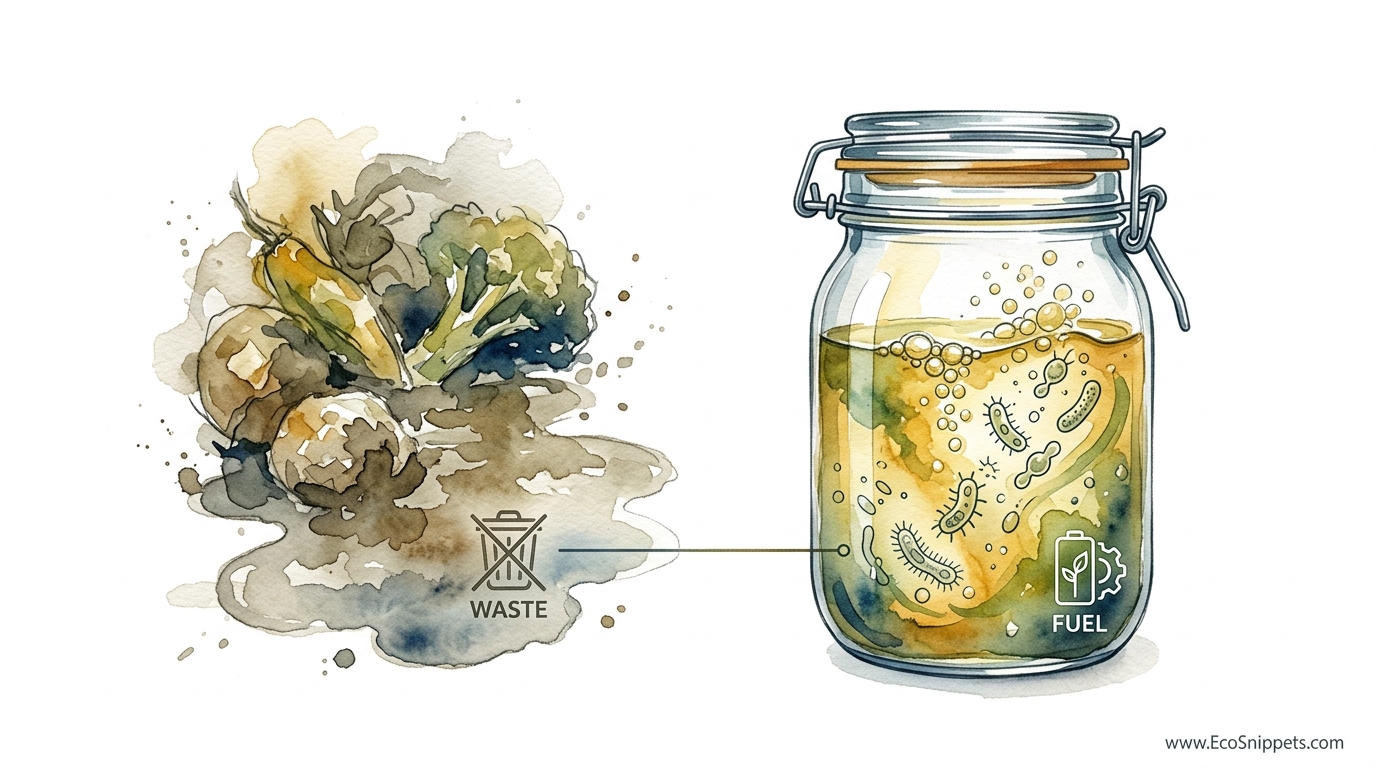
The liquid you’re throwing away is actually the most biologically active ‘rocket fuel’ in your entire kitchen. That ‘cloudy’ water at the bottom of your ferment jar isn’t waste – it’s a concentrated colony of beneficial bacteria. Instead of dumping it, use it to jumpstart your next batch or create a living marinade. Your kitchen waste is actually the fuel for your next 100 harvests.
For generations, self-reliant households understood that nothing of value should leave the kitchen. They recognized that the brine from a successful batch of sauerkraut or pickles carried the “soul” of the ferment—a living legacy of microbes that could be passed down. This practice, often referred to as “backslopping,” is more than just a frugal habit; it is a biological strategy for consistency and health.
Whether you are a serious practitioner or an interested beginner, understanding how to manage this “liquid gold” will transform your preservation skills. This guide explores the science, safety, and creative applications of reusing fermentation brine, ensuring you never look at that cloudy jar the same way again.
Reusing Fermentation Brine Safely
Reusing fermentation brine, or “backslopping,” involves taking a portion of a finished ferment’s liquid and adding it to a fresh batch of raw vegetables. This process introduces a high concentration of established Lactic Acid Bacteria (LAB) into the new environment, effectively “inoculating” the fresh produce.
Safety in fermentation relies on two primary pillars: **salinity and acidity**. In a wild ferment, the salt inhibits harmful pathogens like *Salmonella* and *E. coli* while allowing salt-tolerant *Lactobacillus* to thrive. As these beneficial bacteria consume the sugars in the vegetables, they produce lactic acid, which drops the pH of the mixture. A safe ferment must reach a pH level of 4.6 or lower to prevent the growth of *Clostridium botulinum*.
When you reuse brine, you are essentially providing an “insurance policy” for this process. The old brine is already highly acidic—typically with a pH between 3.2 and 3.6—which immediately lowers the overall pH of the new batch. This rapid acidification creates a hostile environment for spoilage organisms much faster than a “wild” start would. However, safety depends on the health of the original batch. If your previous ferment showed signs of fuzzy mold, off-smells, or slimy textures, the brine should never be reused.
How the Inoculation Process Works
The microbiology of fermentation is a story of succession. In a standard wild ferment, several different strains of bacteria take turns dominanting the jar. First, *Leuconostoc mesenteroides* begins the acidification, followed by more acid-tolerant species like *Lactobacillus plantarum* and *Lactobacillus brevis*.
When you add old brine to a new jar, you are skipping the first “pioneer” stages and jumping straight to the later, more acidic stages of the cycle. This has several practical implications:
- Acceleration: The fermentation process begins almost immediately, often showing activity (bubbles and cloudiness) within hours rather than days.
- Stability: The established culture is robust and less likely to be overtaken by wild yeasts or stray bacteria from the air.
- Flavor Evolution: Much like a sourdough starter, a reused brine develops complexity over several generations, often referred to as a “heirloom” or “perpetual” brine.
To perform a proper backslop, use approximately 1 to 2 tablespoons (15–30 ml) of old brine per quart (approx. 1 liter) of new ferment. You must still add the appropriate amount of fresh salt to your new batch. The salt in the old brine has been diluted by the water released from the previous vegetables, so it cannot be relied upon to provide the necessary 2% to 3% salinity for the new produce.
Benefits of Probiotic Fuel
Treating your leftover brine as a resource rather than waste offers measurable advantages for both your health and your pantry efficiency.
Enhanced Probiotic Density
The “cloudy” appearance of mature brine is caused by millions of active bacterial cells suspended in the liquid. Drinking a small “gut shot” of 1 to 2 ounces (30–60 ml) provides a concentrated dose of probiotics that is often more potent than the vegetables themselves. These microbes support digestion and help colonize the gut with healthy flora.
Tenderizing Marinades
The organic acids in fermented brine (lactic and acetic acid) are excellent at breaking down tough muscle fibers in meat. Using sauerkraut or kimchi brine as a marinade for chicken or pork not only seasons the meat deeply with salt but also tenderizes it without the harshness of distilled vinegar.
Nutrient Bioavailability
During fermentation, bacteria produce enzymes that break down “anti-nutrients” like phytic acid. Reusing this enzyme-rich liquid to soak whole grains or legumes for 12 to 24 hours can make them significantly easier to digest and increase the absorption of minerals like zinc and iron.
Challenges and Common Mistakes
While the practice is rewarding, several pitfalls can ruin a batch if you aren’t careful.
The “Mushy Pickle” Syndrome
A common mistake is using too much old brine in a new batch of cucumbers. Mature brine contains **pectinase**, an enzyme that breaks down the pectin holding vegetable cells together. If you introduce too much of this enzyme at the start, your pickles may turn soft and mushy within days. To avoid this, limit backslopping in cucumber ferments or add tannin-rich leaves (such as grape, oak, or bay leaves) to help maintain crunch.
Diluting the Salinity
Many beginners assume that because the brine tastes salty, it contains enough salt for the new batch. This is a dangerous assumption. Vegetables are mostly water; as they ferment, they release that water into the brine, diluting the initial salt concentration. If you don’t add new salt (based on the total weight of the new vegetables and water), the salinity may drop below the safe 2% threshold, inviting spoilage.
Ignoring Temperature
Because backslopping accelerates the process, a warm kitchen can cause a ferment to “over-ripen” very quickly. In temperatures above 75°F (24°C), a backsloped jar might be fully fermented in half the time of a standard batch. Monitor your jars closely to prevent them from becoming overly sour or developing “kahm yeast”—a harmless but off-tasting white film on the surface.
Limitations: When Not to Reuse Brine
There are specific scenarios where the “rocket fuel” should be retired.
Signs of Spoilage
If the original jar developed mold (especially colorful or fuzzy mold), the brine is contaminated with spores and must be discarded. Similarly, if the brine has developed a “ropy” or slimy texture, it is likely infected with *Pediococcus*, which, while not necessarily harmful, produces an unpleasant mouthfeel that will carry over to the next batch.
High-Heat Applications
If your goal is to reap probiotic benefits, never boil the brine. Temperatures above 115°F (46°C) will begin to kill the beneficial bacteria. While the brine still provides excellent flavor in soups and stews, it loses its “living” status once heated.
Conflicting Flavor Profiles
Ancestral wisdom suggests that “like goes with like.” While kimchi brine can jumpstart a spicy pepper ferment, adding it to a batch of delicate fermented carrots may result in a flavor clash. Always consider the aromatics—garlic, dill, ginger—present in the old brine before mixing it with new ingredients.
Comparison: Wild Ferment vs. Backsloped
| Feature | Wild Fermentation | Backsloped (Brine Reuse) |
|---|---|---|
| Start Speed | Slow (2–4 days for activity) | Fast (6–12 hours for activity) |
| Microbial Diversity | High (full succession of species) | Moderate (dominated by late-stage LAB) |
| Risk of Failure | Higher in early stages | Lower due to immediate acidity |
| Texture Stability | Excellent | Risk of softening if over-used |
Practical Tips for Management
To make the most of your brine, adopt these best practices:
- Filter Your “Fuel”: Use a fine-mesh strainer or cheesecloth to remove any small bits of vegetable or herbs from the brine before storing it. This prevents these particles from decaying and causing off-flavors.
- Cold Storage: Keep leftover brine in a sealed glass jar in the refrigerator (34°F–38°F / 1°C–3°C). While the bacteria remain active for months, their numbers are highest during the first two weeks after the ferment is finished.
- The “Freezer Trick”: If you have an abundance of brine, freeze it in ice cube trays. These “probiotic cubes” can be dropped into a hot bowl of soup just before serving (to cool it down without killing all the bacteria) or added to a morning smoothie for a savory, electrolyte-rich kick.
- The 2% Rule: Even when using old brine, always weigh your fresh vegetables and water in grams. Multiply that total by 0.02 to find the amount of fresh salt required.
Advanced Considerations: pH and Salinity
Serious practitioners often use a pH meter to ensure their brine is ready for reuse. If a brine hasn’t dropped below a pH of 4.0, it may not have enough lactic acid to provide the safety benefits of backslopping.
Additionally, consider the “Buffering Capacity” of your vegetables. High-protein vegetables or those with high water content (like peppers or squash) can resist pH changes more than cabbage. In these cases, using a slightly higher ratio of old brine (up to 1/4 cup or 60 ml per quart) can help force the pH down quickly, preventing the growth of soft-rot bacteria that thrive in more neutral environments.
Example Scenario: The Perpetual Pickle Jar
Imagine you have just finished a jar of garlic-dill pickles. You are left with about 2 cups (500 ml) of cloudy, aromatic brine.
Instead of tossing it, you slice three fresh cucumbers and a handful of green beans. You place the new vegetables into a clean quart jar. You add 1 tablespoon (15 grams) of sea salt to the jar, followed by 1/2 cup (125 ml) of the old “rocket fuel” brine. Fill the rest of the jar with filtered, chlorine-free water until the vegetables are submerged.
Because you’ve inoculated the jar with a mature culture, you’ll see tiny bubbles rising to the surface by the next morning. In three days—half the time of a wild ferment—the beans will be tangy, crisp, and teeming with the same beneficial bacteria as the batch before them.
Final Thoughts
The transition from viewing fermentation brine as “liquid waste” to “probiotic fuel” is a hallmark of a mature kitchen. It represents a shift toward a circular, self-sustaining system where every batch of food supports the next. This is the essence of ancestral wisdom: utilizing every byproduct to build resilience and health.
By mastering the art of brine reuse, you are not just making pickles; you are stewarding a living culture. Experiment with marinades, jumpstart your ferments, and use that cloudy liquid to fortify your grain-soaking. The results will be more consistent, more flavorful, and infinitely more rewarding.
Remember that fermentation is a partnership with the microbial world. Treat your “rocket fuel” with respect, keep your salt ratios accurate, and your kitchen will become a source of health that renews itself with every harvest.
