How To Become More Self-Sufficient Without Starting a Full-Blown Farm…
Want to start preserving your harvest, making your own soap, or building a backyard root cellar — but not sure where to begin? “Homesteading Advice” gives you instant lifetime access to 35+ practical homesteading books on food preservation, veggie gardening, DIY natural cleaning products (save over $250 per year with this skill alone), brewing, off-grid energy, and a whole lot more…
Click Here To Check It Out Now!
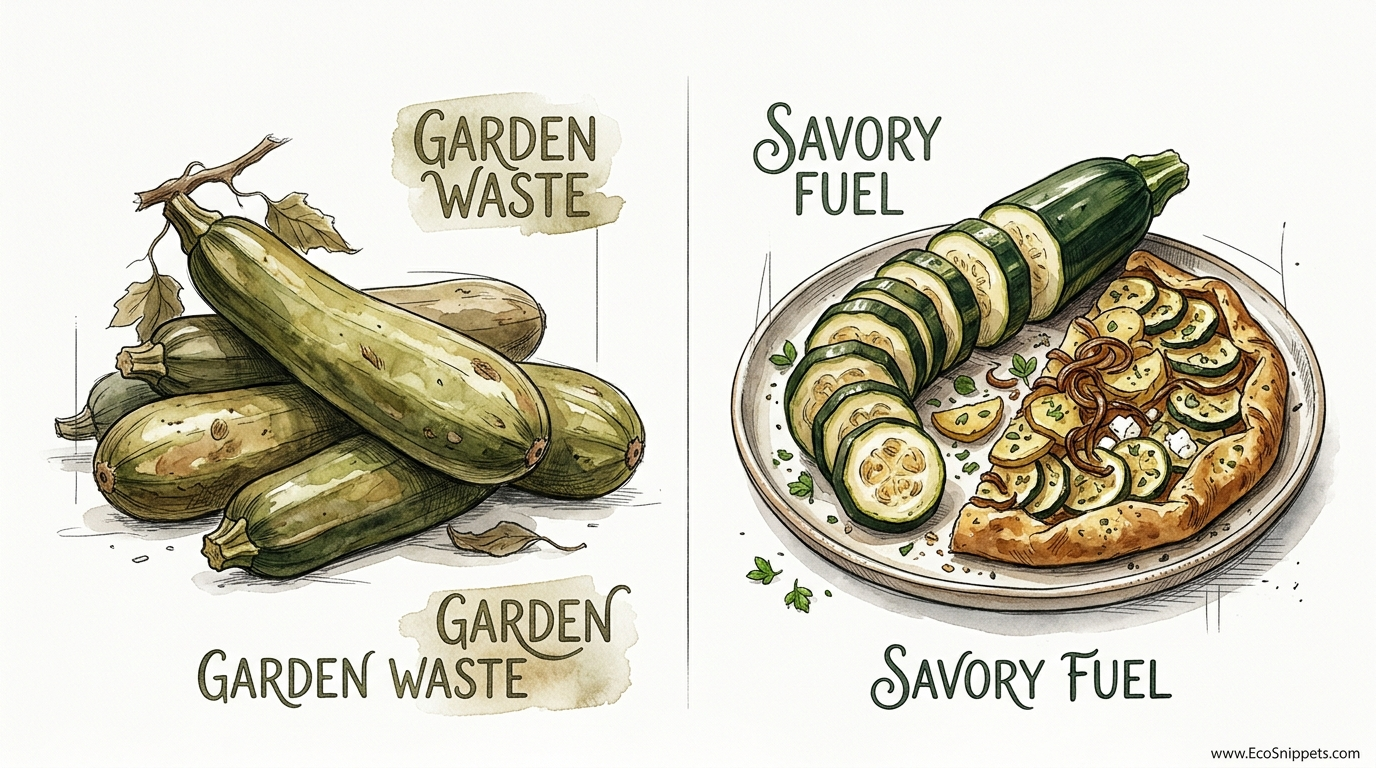
That overgrown zucchini you were going to throw away is actually the secret to the best dairy-free pizza topping you’ve ever tasted. Every homesteader knows the ‘oops’ moment of finding a giant zucchini. Don’t compost it! With a simple marinade and the power of low-heat dehydration, those tough rinds become a spicy, savory pepperoni alternative that stores in a jar for months.
There is a specific kind of quiet satisfaction that comes from outsmarting the garden. We have all walked past the squash patch on a Tuesday, only to return on Thursday and find a vegetable the size of a forearm hiding under a broad leaf. In most modern kitchens, these “marrows” are considered a nuisance—watery, tough-skinned, and lacking the delicate flavor of their younger counterparts. However, for those who value self-reliance, these giants are not waste; they are a blank canvas for intense flavor and long-term storage.
Turning a massive zucchini into a plant-based pepperoni is more than just a clever recipe. It is a preservation technique that respects the energy the soil put into growing that fruit. By removing the high water content and replacing it with a concentrated blend of smoke, salt, and spice, you transform a bland vegetable into a high-utility pantry staple. Whether you are living dairy-free by choice or simply looking to reduce your reliance on store-bought cured meats, this process bridges the gap between garden abundance and year-round sustenance.
How To Use Oversized Zucchini
An oversized zucchini is defined by its maturity. While we typically harvest zucchini when they are 6 to 8 inches (15 to 20 cm) long, a “homestead surprise” can easily reach 18 inches (45 cm) or more. At this stage, the skin thickens to protect the developing seeds inside, and the flesh becomes more fibrous. While this makes them less ideal for a quick sauté, it makes them perfect for dehydration. The structure of an older zucchini holds up against the intense marinating process without turning to mush.
In the real world, these giants are often relegated to “zucchini bread” or simply tossed to the livestock. But their utility is far greater. Because the flesh is porous and relatively neutral, it acts like a sponge for fats and spices. When you slice these large fruits into rounds and subject them to low heat, they shrink and toughen, mimicking the “chew” of a cured sausage. This is a classic example of using the physical properties of a “flawed” harvest to create a superior finished product.
Think of the oversized zucchini as the “chuck roast” of the garden. It is a tougher cut that requires specific techniques to unlock its potential. In a kitchen focused on ancestral wisdom, nothing is discarded if it can be transformed. Using these giants for pepperoni allows you to save your tender, small zucchinis for fresh summer salads while building a preserved “meat” locker in your pantry for the winter months.
The Science of Savory Dehydration
To turn a watery squash into a savory fuel, you must understand the interplay between moisture removal and flavor infusion. Pepperoni is traditionally a fermented and dried meat product characterized by its high fat content, lactic acid tang, and specific spices like fennel and paprika. To replicate this with a vegetable, we use a multi-step process: slicing, curing (marinating), and dehydrating.
The marinade is the “cure.” By using a base of high-quality oil (like olive or avocado oil), you introduce the mouthfeel associated with traditional pepperoni. Acids like apple cider vinegar or liquid smoke provide the tang and depth that fermentation usually offers. The spices—primarily smoked paprika, garlic powder, and crushed fennel seeds—are non-negotiable. Fennel, in particular, is the aromatic signature of Italian sausage; without it, you simply have spicy zucchini. With it, you have a convincing meat alternative.
Dehydration works by circulating warm air to evaporate water. As the water leaves the zucchini cells, the flavor of the marinade becomes more concentrated. This is why it is crucial not to over-salt your marinade; what tastes “just right” when wet will become intensely salty once the vegetable has shrunk to a third of its original size. The goal is to reach a leathery, pliable texture that is “dry to the touch” but still has enough substance to provide a satisfying bite on top of a hot pizza.
The Step-by-Step Process: From Garden to Jar
The journey from a garden “oops” to a pizza topping starts with proper preparation. Follow these steps to ensure your zucchini pepperoni has the right texture and shelf stability.
1. Preparation and Slicing: Wash the zucchini thoroughly. For oversized specimens, the skin is edible but may be very tough. You can peel it if you prefer a softer edge, but the skin helps the rounds maintain their shape during drying. Use a mandoline or a very sharp knife to cut rounds approximately 1/8 inch (3 mm) thick. Consistency is vital; if your slices vary in thickness, they will dry at different rates, leading to some being burnt and others being mold-prone.
2. Dealing with Seeds: If your zucchini is truly massive, the center may be filled with large, hard seeds. Use a small biscuit cutter or a spoon to remove the seedy core before slicing, creating “pepperoni rings.” This prevents the final product from having a “woody” or unpleasant texture in the center.
3. The Marinade: In a large bowl, whisk together 3 tablespoons of oil, 1 teaspoon of smoked paprika, 1 teaspoon of garlic powder, 1/2 teaspoon of salt, 1/2 teaspoon of fennel seeds (crushed), and a dash of liquid smoke. Toss the slices gently to ensure every piece is coated. Let them sit in the refrigerator for at least 2 hours, or ideally overnight. This “curing” time allows the spices to penetrate the cell walls of the squash.
4. Loading the Dehydrator: Lay the slices in a single layer on your dehydrator trays. Ensure they are not overlapping, as this will trap moisture and cause uneven drying. If you are using an oven, set it to its lowest possible temperature (usually around 150°F or 65°C) and prop the door open slightly with a wooden spoon to allow moisture to escape.
5. The Drying Phase: Dehydrate at 135°F (57°C) for 6 to 10 hours. The time will vary based on the humidity in your home and the water content of the zucchini. Start checking at the 6-hour mark. You are looking for a “leathery” consistency—it should bend without snapping but should not feel damp or sticky. For a “chip” style pepperoni, continue drying until they are crisp.
Benefits of Zucchini Pepperoni
Choosing to make your own plant-based pepperoni offers several practical advantages over buying commercial meat or even store-bought vegan alternatives. First and foremost is resourcefulness. You are turning a potentially wasted item into a value-added product, which is the cornerstone of a self-sufficient kitchen.
From a nutritional perspective, zucchini is naturally low in calories and high in fiber. While traditional pepperoni is loaded with saturated fats and nitrates (which can be problematic for some), this version uses heart-healthy oils and natural spices. It is a way to enjoy the “pizza experience” without the heavy, greasy feeling that often follows a meat-heavy meal.
Another benefit is shelf stability. Properly dehydrated zucchini pepperoni can be stored in an airtight jar for months. This makes it an excellent “emergency” topping for when you want a quick meal but haven’t been to the store. It also takes up significantly less space than jars of canned zucchini or bags of frozen squash. It is “savory fuel” that is lightweight, portable, and ready to use at a moment’s notice.
Challenges and Common Mistakes
While the process is straightforward, beginners often run into a few hurdles. The most common mistake is improper slicing. If slices are too thick, they will take days to dry and may develop mold before they are finished. If they are too thin, they become translucent and lack the “meatiness” required for a pepperoni substitute. Stick to the 1/8 inch (3 mm) rule for the best results.
Another pitfall is under-drying. In a quest to keep the “pepperoni” soft, many people pull the trays too early. If there is any residual moisture, the product will mold within days of being placed in a jar. Always test a few pieces by letting them cool completely on the counter; if they feel tacky after cooling, they need more time in the dehydrator. Moisture is the enemy of preservation.
Finally, spice balance can be tricky. Because dehydration concentrates flavors, a “tablespoon” of chili flakes might seem fine in a bowl of 50 slices, but once those slices shrink, the heat can become overwhelming. Start with a conservative amount of salt and heat, then adjust in future batches once you see how your specific zucchini variety handles the concentration of flavor.
Limitations of This Method
It is important to manage expectations: zucchini pepperoni is a substitute, not a clone. It does not contain protein, so it will not provide the same satiety as a cured meat product. If you are relying on this for a meal, ensure your pizza or sandwich has other protein sources like beans, nuts, or high-quality cheese (or dairy-free alternatives).
Environmentally, dehydration is sensitive to high humidity. If you live in a tropical climate or are trying to dehydrate on a rainy day without a high-quality electric dehydrator, you may find the process takes much longer than expected. In these cases, the risk of spoilage increases. A consistent, controlled heat source is necessary for a safe finished product.
Lastly, this method is not ideal for zucchinis that have already begun to rot or show “soft spots.” Preservation is about locking in the quality of the harvest, not saving a vegetable that is already past its prime. If the zucchini smells “off” or the skin is slimy, it belongs in the compost pile, not the dehydrator.
Practical Tips and Best Practices
- Blanching: For a more tender bite, you can steam-blanch your zucchini slices for 1 minute before marinating. This softens the fibers and can help the marinade penetrate faster, though it adds an extra step.
- The “Bent” Test: To check for doneness, take a slice out and let it cool for 2 minutes. Fold it in half. If it cracks, it is too dry (good for chips). If it sticks to itself and stays folded without breaking, it is perfect for pepperoni.
- Storage: Store your finished pepperoni in glass Mason jars. To extend shelf life even further, add a food-grade oxygen absorber or use a vacuum-sealer attachment for your jars. Keep the jar in a cool, dark place like a pantry or cellar.
- Rehydration on Pizza: When using these on a pizza, place them under the cheese or sauce if you want them to stay soft. If you like “crispy” pepperoni, place them on top of the cheese; the high heat of the oven will quickly crisp the edges.
Advanced Considerations for the Serious Practitioner
For those who have mastered the basics, consider variety selection. Not all zucchinis are created equal. The ‘Costata Romanesco’ variety, for instance, has a lower water content and a nuttier flavor than the standard ‘Black Beauty.’ Using heirloom varieties specifically bred for their “meat” rather than their water can result in a superior pepperoni.
You can also experiment with liquid bases. Instead of just oil and vinegar, try using a splash of tamari or soy sauce for an “umami” bomb, or a bit of beet juice in the marinade to give the slices a deep, reddish-burgundy color that more closely resembles traditional cured beef and pork. This is where the “pioneer grit” meets culinary artistry.
If you are looking to scale your production, consider the energy efficiency of your dehydrator. Multi-tray square units (like an Excalibur) are generally more efficient for large batches than round, stacked units. If you are processing five or six giant zucchinis at once, the square footage of your trays becomes a major factor in how quickly you can clear your kitchen counter of the harvest.
Example Scenario: The August Surplus
Imagine it is late August. Your kitchen counter is buried under four “baseball bat” zucchinis that you missed during a weekend away. Total weight: 12 pounds (5.4 kg). If you were to cook these fresh, you would be eating zucchini for every meal for a week.
Instead, you spend 30 minutes slicing them into rounds. After marinating and dehydrating, those 12 pounds of bulky, watery squash shrink down into three quart-sized jars of pepperoni. You have effectively compressed a massive garden surplus into a small, shelf-stable, and highly delicious format. Come November, when you’re craving a savory pizza on a cold Friday night, you simply reach into your pantry and pull out the essence of your summer garden.
Final Thoughts
Turning an oversized zucchini into pepperoni is a testament to the idea that there is no such thing as “waste” in a thoughtful kitchen. It requires a shift in perspective—seeing a giant, tough vegetable not as a failure of timing, but as a specific ingredient with its own unique potential. By mastering the art of the marinade and the patience of dehydration, you reclaim your harvest and build a more resilient pantry.
This process is an invitation to experiment. Once you understand the mechanics of savory dehydration, you can apply these same principles to other garden giants like oversized cucumbers or late-season eggplants. The goal is always the same: to turn the abundance of today into the fuel of tomorrow.
As you move forward, remember that self-reliance is built on these small, practical skills. Every jar of zucchini pepperoni on your shelf is a small victory against the grocery store and a nod to the ancestral wisdom of making do and making it better. Take that giant zucchini, sharpen your knife, and discover the savory secret hiding under its skin.
