How To Become More Self-Sufficient Without Starting a Full-Blown Farm…
Want to start preserving your harvest, making your own soap, or building a backyard root cellar — but not sure where to begin? “Homesteading Advice” gives you instant lifetime access to 35+ practical homesteading books on food preservation, veggie gardening, DIY natural cleaning products (save over $250 per year with this skill alone), brewing, off-grid energy, and a whole lot more…
Click Here To Check It Out Now!
“At the store, dried organic chives cost at least $6.00 for a little .14-ounce bottle, and fresh ones are at least $4.00 for a tiny bunch.
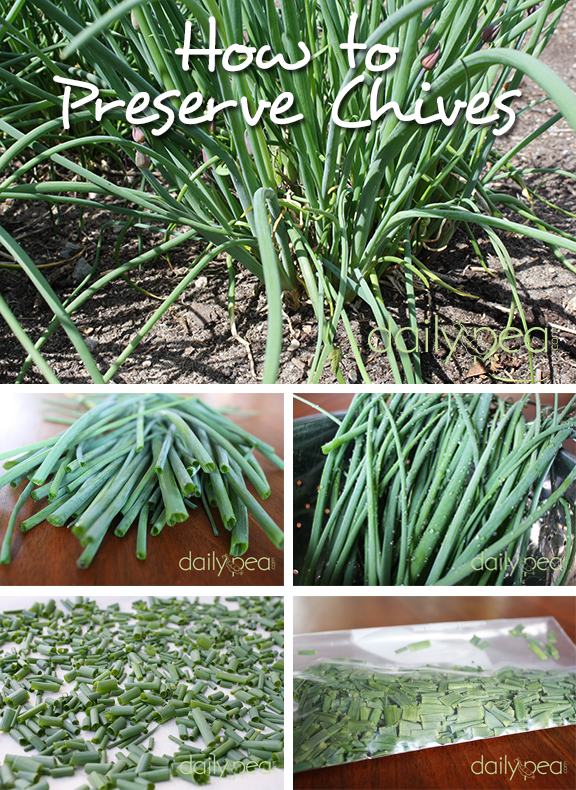
I’ll show you how you can grow your own chives and preserve them for a year-round staple in your kitchen for a fraction of the cost. I put chives on everything so I can’t even imagine how much money I would spend if I bought them all the time. I cook with chives and pile fresh ones on everything from soups and salads to pizzas and potatoes.
Chives are extremely easy to grow in the garden and they’re a perennial, so they grow back after the winter. In fact, they may even be invasive if they’re not divided at some point during the late summer or early fall…”
