How To Become More Self-Sufficient Without Starting a Full-Blown Farm…
Want to start preserving your harvest, making your own soap, or building a backyard root cellar — but not sure where to begin? “Homesteading Advice” gives you instant lifetime access to 35+ practical homesteading books on food preservation, veggie gardening, DIY natural cleaning products (save over $250 per year with this skill alone), brewing, off-grid energy, and a whole lot more…
Click Here To Check It Out Now!
“The sprawling tentacles that constitute the water infrastructure in the United States spill about 860 million gallons (3.3 billion liters) of untreated water — along with all the raw waste that involves — each year.
If you add in all the clean water lost, that amount soars to about 6 billion gallons (22.7 billion liters) spilled each day.
But while the loss of clean water is a serious waste of a precious natural resource, it’s the untreated water that’s most troubling. That’s because human fecal matter and urine, when not disposed of safely, can cause numerous environmental and health problems in the world’s waterways.
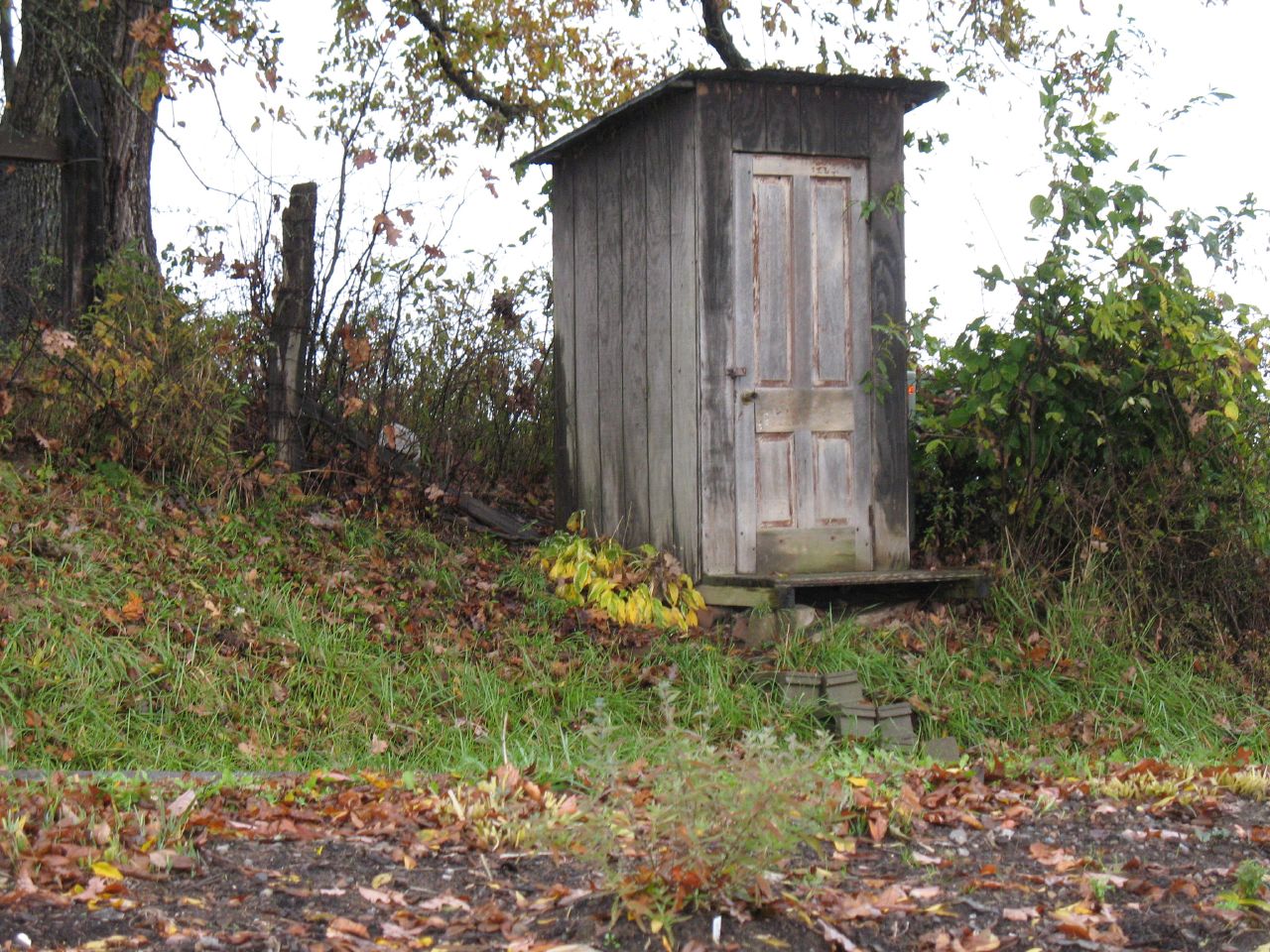
Here’s how to build an outhouse with a composting bucket toilet…”
