How To Become More Self-Sufficient Without Starting a Full-Blown Farm…
Want to start preserving your harvest, making your own soap, or building a backyard root cellar — but not sure where to begin? “Homesteading Advice” gives you instant lifetime access to 35+ practical homesteading books on food preservation, veggie gardening, DIY natural cleaning products (save over $250 per year with this skill alone), brewing, off-grid energy, and a whole lot more…
Click Here To Check It Out Now!
We traded 5,000 years of non-toxic food security for a 50-year experiment in plastic leaching. Before the era of microplastics and endocrine disruptors, our ancestors used materials that actually helped preserve the food rather than just suffocating it. Waxed canvas allows cheese to ‘sweat’ properly, and earthenware regulates temperature better than any Tupperware ever could. It’s time to bring back the ‘Then’.
For most of human history, food storage was an extension of the earth itself. We used what was around us—clay from the riverbanks, wax from the hives, and fibers from the fields. These materials weren’t just convenient; they were functional in ways modern chemistry has yet to replicate. They understood moisture, temperature, and the living nature of the food they held.
In the last century, we moved toward a culture of “convenience” that prioritizes single-use plastics over long-term health and environmental stability. This transition has left us with a legacy of chemical leaching and a planet struggling to digest a material that never truly goes away. Reclaiming traditional methods isn’t just a nostalgic trend; it is a practical necessity for anyone looking to reduce their toxic load and live more self-reliantly.
When you wrap a block of cheddar in plastic, you are effectively trapping moisture and preventing the food from breathing. This creates a breeding ground for mold and often results in a “plastic” taste that permeates the food. By contrast, using a breathable material like waxed cotton or a porous ceramic vessel allows for a natural exchange of air and moisture, keeping food at its peak for significantly longer.
Eco Friendly Alternatives To Plastic Food Wrap
The term “food wrap” has become synonymous with the thin, sticky plastic film found in nearly every grocery store. However, this is a relatively new invention. Eco-friendly alternatives are materials that serve the same purpose—protecting food from debris, insects, and oxidation—but do so without shedding microplastics or harmful chemicals into your meal. These alternatives range from ancient materials like linen and clay to modern innovations like food-grade silicone and compostable plant-based films.
These alternatives exist because plastic wrap is inherently flawed. It is difficult to recycle, often ending up in landfills where it can take 400 to 1,000 years to decompose. Furthermore, the chemicals used to make plastic flexible, such as phthalates and bisphenol A (BPA), are known endocrine disruptors that can migrate into food, especially when exposed to heat or high-fat contents like oils and meats. Making the switch is as much about personal health as it is about environmental stewardship.
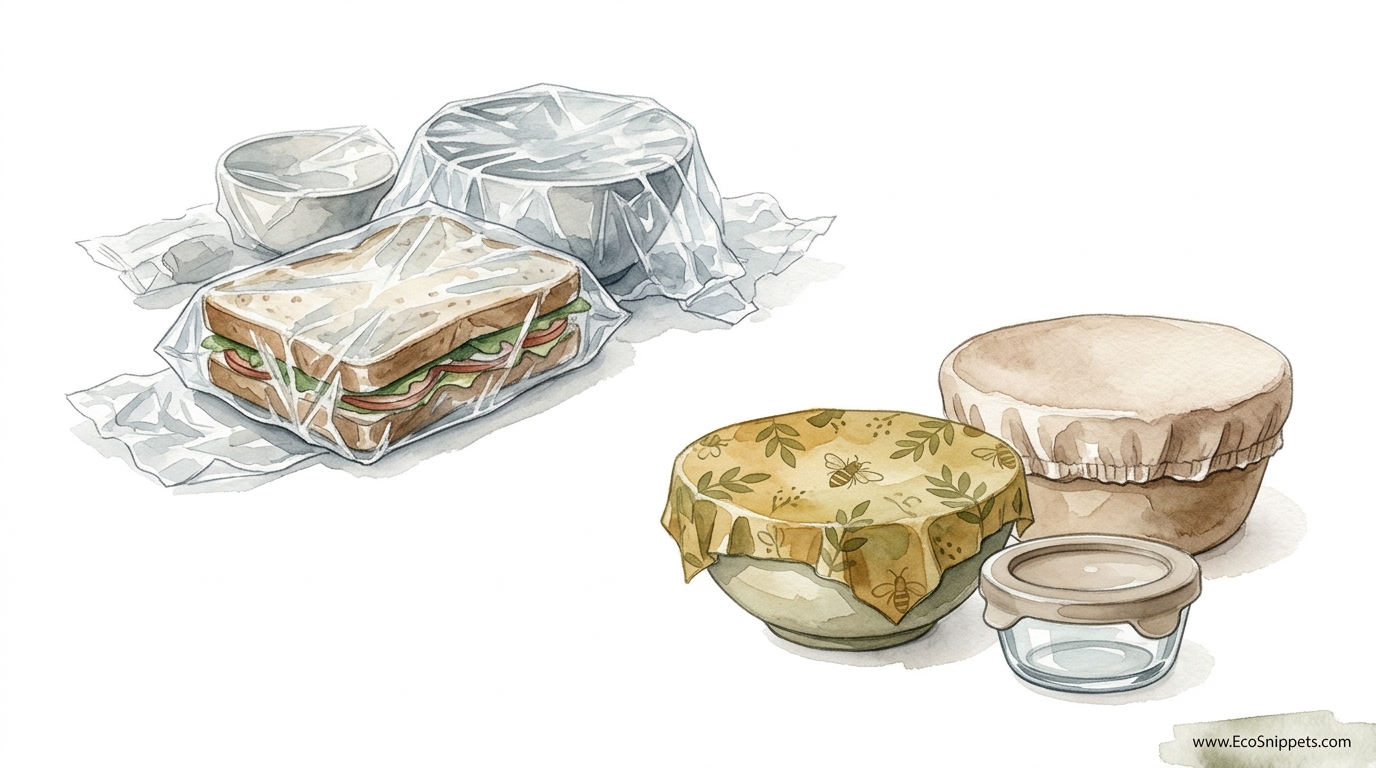
In real-world terms, choosing an alternative means reaching for a beeswax wrap for a sandwich, using a glass jar for leftovers, or placing a damp linen towel over a bowl of rising dough. Each of these choices honors the specific needs of the food. For instance, artisan bread stays crusty and fresh in a linen bag, whereas it becomes a rubbery mess if sealed in a plastic bag. These methods are intuitive, durable, and often more cost-effective over a lifetime of use.
The Science of Why We Must Move Away from Plastic
To understand the “Why” of eco-friendly alternatives, we must look at the “How” of plastic’s failure. Modern cling wraps are typically made from Low-Density Polyethylene (LDPE) or Polyvinylidene Chloride (PVDC). While these materials are marketed as “safe,” they are still petroleum products. When they come into contact with food, particularly warm or fatty foods, molecular migration occurs. This means the chemicals in the plastic literally move into the food you are about to eat.
Microplastics are another concern. These tiny particles, often less than 5mm (0.2 inches) in size, have been found in everything from sea salt to human blood. When we use plastic wraps that tear and degrade, we are contributing to the microscopic “dust” of the modern world. In contrast, natural materials like cotton, beeswax, and glass are chemically inert or biodegradable, ensuring that what touches your food is as clean as the food itself.
Endocrine disruptors found in many plastics mimic hormones like estrogen. This can lead to a host of developmental and reproductive issues in both humans and wildlife. By removing these materials from our kitchens, we create a sanctuary of health. It is a return to a standard where our tools serve our survival rather than undermining it.
Beeswax Wraps: The Living Shield
Beeswax wraps are perhaps the most popular and versatile replacement for plastic film. These are made by infusing pieces of 100% cotton or hemp fabric with a mixture of beeswax, jojoba oil, and pine resin. The result is a malleable, tacky cloth that can be molded around bowls, vegetables, or snacks using the warmth of your hands.
How They Work
The magic of a beeswax wrap lies in its ingredients. Beeswax provides a natural, water-resistant barrier that prevents food from drying out. Jojoba oil keeps the wax flexible so it doesn’t crack, while pine resin provides the “stick” that allows the wrap to adhere to itself or the rim of a bowl. Unlike plastic, beeswax is naturally antimicrobial and antifungal, which helps inhibit the growth of bacteria and mold on the surface of the food.
These wraps are breathable. This is critical for living foods like cheese or fresh produce. When cheese “sweats,” it releases moisture. If that moisture is trapped by plastic, it quickly turns to slime and mold. A beeswax wrap allows that moisture to escape slowly, preserving the texture and flavor of the cheese for weeks instead of days.
Step-by-Step DIY Guide to Making Beeswax Wraps
While you can buy these wraps in stores, making them at home is a rewarding way to customize your kitchen gear. You will need 100% cotton fabric, beeswax pellets (or grated block wax), pine rosin, and jojoba oil. Ensure your fabric is clean and cut into the desired sizes—usually small squares for fruit (15×15 cm / 6×6 inches), medium for bowls (25×25 cm / 10×10 inches), and large for bread (35×35 cm / 14×14 inches).
- Prepare the Mixture: Melt 100g (3.5 oz) of beeswax, 25g (0.9 oz) of pine rosin, and 1 tablespoon of jojoba oil in a double boiler over medium heat. Stir until smooth.
- Apply the Wax: Lay your fabric pieces on a baking tray lined with parchment paper. Use a clean paintbrush to apply a thin, even layer of the melted mixture to the fabric.
- Heat in the Oven: Place the tray in an oven set to 100°C (212°F) for 2–3 minutes. This allows the wax to fully saturate the fibers.
- Dry: Carefully lift the fabric by the corners and hang it up or wave it in the air for 30 seconds. It will cool and stiffen almost instantly.
Maintenance and Care
Caring for beeswax wraps is simple but requires a change in habits. Never use hot water, as it will melt the wax and ruin the wrap. Instead, wash them in cool water with a mild, alcohol-free dish soap. If a wrap becomes creased or loses its stickiness over time, you can refresh it by placing it back in the oven on parchment paper for a few minutes to redistribute the wax. With proper care, a single wrap can last for 6 to 12 months before needing to be recoated or composted.
Linen and Cotton: Breathable Protection for Grains and Produce
Before the plastic bread bag, there was the linen sack. Linen, made from the flax plant, is one of the oldest textiles in the world and remains one of the best for food storage. Its unique molecular structure includes silica, which gives the fabric natural antibacterial and antifungal properties. This makes it the gold standard for storing artisanal bread, especially sourdough.
Bread is a living product that continues to exchange moisture with its environment even after it leaves the oven. If you seal a loaf of bread in a plastic bag while it is even slightly warm, the trapped steam will soften the crust and invite mold. A linen bag, however, allows enough airflow to keep the crust crisp while protecting the interior “crumb” from drying out too quickly. It is a delicate balance that synthetic materials simply cannot strike.
Linen and cotton bags are also exceptional for produce. Leafy greens like kale or spinach can be washed, wrapped in a damp linen towel, and stored in the crisper drawer. The fabric absorbs excess moisture that would otherwise cause rot, yet keeps the greens hydrated enough to prevent wilting. This “damp-cloth method” can extend the life of your produce by several days, reducing food waste and grocery bills.
Earthenware and Terracotta: The Earth’s Own Regulator
The use of clay for food storage dates back at least 14,000 years. Earthenware, particularly unglazed terracotta, is a porous material that acts as a natural climate control system for your food. In many parts of the world, clay pots are still used to keep water cool and vegetables fresh without the need for electricity.
The primary benefit of earthenware is evaporative cooling. Because the clay is porous, microscopic amounts of water seep through the walls of the vessel. As this water evaporates off the outer surface, it pulls heat from the interior, lowering the temperature of the contents. This is the same principle as the “Zeer pot” or pot-in-pot refrigerator used in arid climates to preserve produce for weeks.
Furthermore, clay is alkaline. Many foods, especially as they begin to age, become more acidic. Storing or fermenting foods in a clay vessel can help neutralize this acidity, leading to a better flavor profile and improved digestion. From fermentation crocks to simple covered clay bowls, earthenware provides a thermal mass that prevents the rapid temperature fluctuations that contribute to food spoilage.
Glass and Stainless Steel: The Inert Bastions
For items that require a completely airtight or liquid-tight seal, glass and stainless steel are the premier choices. Unlike plastic, these materials are non-reactive. You can store a highly acidic tomato sauce or a pungent garlic oil in glass for months without the container absorbing the smell or the food absorbing the container’s chemicals.
Glass is infinitely recyclable and can withstand extreme temperature changes, making it ideal for freezing leftovers and then reheating them (provided you use tempered glass). Mason jars, a staple of the self-reliant kitchen, are versatile tools that replace almost every form of plastic tub. They can be used for dry goods, liquids, and even vacuum-sealing with the right attachment.
Stainless steel is the lightweight, unbreakable alternative. It is perfect for lunchboxes, camping gear, and long-term storage of dry goods like grains or beans. High-quality (18/8 or 18/10) stainless steel will not rust or leach even when exposed to salty or acidic environments. While it lacks the transparency of glass, its durability makes it a one-time purchase that can last for generations.
Benefits of Moving Away from Plastic Wrap
The transition to eco-friendly food storage offers measurable benefits for your health, your wallet, and the environment. By removing the “suffocating” layer of plastic, you allow your food to exist in its natural state for longer.
- Enhanced Food Quality: Cheese, bread, and produce stay fresher and taste better when stored in materials that regulate moisture and airflow.
- Chemical-Free Living: You eliminate the risk of BPA, phthalates, and microplastics leaching into your family’s meals.
- Financial Savings: While a set of beeswax wraps or glass containers costs more upfront, they are reusable for years. The average family spends hundreds of dollars annually on single-use wraps and bags.
- Waste Reduction: You significantly reduce the amount of non-biodegradable waste leaving your home and entering the ecosystem.
- Aesthetic Satisfaction: There is a profound psychological benefit to a kitchen filled with natural textures—wood, stone, wax, and fiber—rather than a chaotic mess of crinkly plastic.
Challenges and Common Mistakes
Adapting to traditional food storage requires a shift in mindset and a bit of a learning curve. Many people fail in their transition because they try to treat natural materials exactly like plastic. This often leads to ruined wraps or spoiled food.
One of the most common mistakes is washing beeswax wraps in hot water. This immediately melts the wax mixture, leaving you with a plain piece of fabric and a messy sink. Always use cool or lukewarm water. Another pitfall is using these wraps for raw meat or fish. Because they cannot be sanitized with high heat, they should only be used for produce, bread, cheese, and cooked leftovers. For raw meat, stick to glass or stainless steel that can be thoroughly scrubbed or boiled.
When using earthenware, a common error is failing to “season” the pot if it is intended for cooking or liquid storage. Unglazed clay is highly absorbent; if you put a strong-smelling soup into an unseasoned pot, the flavor may linger in the clay forever. Always follow the specific seasoning instructions for your ceramic pieces, which usually involve soaking them in water or oil for 24 hours.
Limitations: When Plastic Might Be Necessary
While we strive for a plastic-free kitchen, it is important to acknowledge certain practical boundaries. There are situations where modern materials offer a level of safety or convenience that is hard to match with traditional methods.
In certain medical or high-risk food safety environments, single-use, sterile barriers are sometimes necessary to prevent cross-contamination. Furthermore, if you live in an extremely humid, tropical environment, breathable materials like linen or beeswax can sometimes absorb too much ambient moisture, leading to faster spoilage than an airtight plastic seal would allow. In these cases, silicone lids or airtight glass containers are the better “eco-friendly” middle ground.
Finally, the weight of glass and earthenware can be a limitation for those with mobility issues or for those who need to transport food long distances on foot. In these scenarios, lightweight stainless steel or high-quality, reusable silicone bags are the most realistic alternatives to traditional plastic film.
Comparing “Then” vs “Now”
The following table illustrates the measurable differences between traditional storage materials and modern plastic wrap across several key factors.
| Feature | Plastic Wrap (Now) | Eco-Alternatives (Then) |
|---|---|---|
| Breathability | Zero; suffocates food and traps moisture. | Varies; allows food to ‘sweat’ and breathe. |
| Chemical Safety | Risk of leaching phthalates and BPA. | Inert; no chemical migration into food. |
| Durability | Single-use; tears easily. | Reusable for months to decades. |
| End-of-Life | Landfill (400+ years); microplastics. | Compostable, recyclable, or heirloom quality. |
| Cost per Use | High (constant repurchase needed). | Low (after initial investment). |
Practical Tips for a Seamless Transition
You do not need to replace every piece of plastic in your kitchen overnight. A phased approach is more sustainable and less overwhelming. Start by identifying the items you wrap most frequently. Is it half-cut onions? Is it the morning sandwich? Is it the bowl of leftovers from dinner?
- The “Bowl and Plate” Method: The simplest alternative to plastic wrap is a plate. If you have a bowl of leftovers, simply place a smaller plate over the top. It creates an effective seal for the fridge and is completely free.
- Repurpose Glass Jars: Save jars from pasta sauce, jam, and pickles. Once cleaned, these are perfect for storing nuts, seeds, leftovers, and even freezing liquids (leave 2 cm / 1 inch of headspace for expansion).
- Invest in a Quality Bread Box: A wooden or metal bread box, combined with a linen bag, will keep your sourdough fresh far longer than any plastic bag ever could.
- Use the “Damp Towel” Trick: For rising dough or keeping vegetables crisp on the counter, a clean, damp cotton tea towel is often superior to any lid.
- Check for Beeswax Sensitivity: If you have a pollen or bee allergy, look for vegan wax wraps made from candelilla or soy wax as a safe alternative.
Advanced Considerations: The Root Cellar Philosophy
For those looking to go beyond simple wraps, adopting a “root cellar” philosophy can transform how you view food longevity. This involves understanding the ideal temperature and humidity for different types of food. For example, potatoes and onions should never be stored together, as onions release ethylene gas that causes potatoes to sprout.
Advanced practitioners may look into sand storage. Root vegetables like carrots, beets, and parsnips can be stored in boxes of clean, damp sand in a cool basement or larder. The sand maintains a consistent humidity and temperature, mimicking the earth they grew in. This method can keep vegetables crisp for months without any refrigeration at all.
Scaling these efforts means thinking about the seasonal flow of your kitchen. In the winter, your pantry might rely more on earthenware and glass for preserved goods, while the summer months see a greater use of breathable linen and beeswax for fresh, hydrating produce. It is a rhythmic way of living that connects your kitchen to the outside world.
Examples and Scenarios in Practice
Consider the typical “Cheese Problem.” You buy a fine wedge of Gruyère. In a modern kitchen, it is wrapped in plastic and tossed in the fridge. Within four days, the edges are slimy, and the flavor has a distinct “refrigerator” note. In a “Then” kitchen, that same wedge is wrapped in a beeswax cloth and placed in a ceramic cheese vault or the vegetable drawer. The beeswax allows the cheese to breathe while keeping it moist. Two weeks later, the cheese is as vibrant as the day it was cut.
Another scenario is the “Sandwich Dilemma.” Packing a lunch in plastic bags results in a soggy sandwich by noon. By using a waxed canvas wrap, the bread stays dry because the wrap doesn’t trap the internal moisture of the fillings as aggressively. Furthermore, the wrap unfolds to become a clean placemat for your meal, serving two functions with one sustainable tool.
Finally, think about the “Leftover Soup.” Cooling a large pot of soup in a plastic container is a health risk due to heat-induced leaching. Transitioning that soup to a large glass jar or a stainless steel tiffin allows it to cool safely. These materials conduct heat more efficiently than plastic, allowing the food to reach a safe storage temperature faster, which reduces the risk of bacterial growth.
Final Thoughts
Reclaiming traditional food storage is more than a simple swap of materials; it is a rejection of the “suffocating” philosophy of the plastic age. By choosing waxed canvas, linen, glass, and earthenware, we are inviting our food to remain part of the living world. We are choosing materials that have been tested over millennia, proving their worth long before the first petroleum-based film was ever conceived.
This journey doesn’t require perfection. It requires a return to grit and a willingness to learn the subtle languages of moisture and air. Each time you reach for a linen bag instead of a plastic one, you are casting a vote for your health and the health of the soil that grew your food. It is a small act of rebellion that yields delicious, non-toxic rewards.
As you move forward, experiment with these materials. See how a damp cloth revives your wilted lettuce, or how a clay pot changes the way your water tastes on a hot day. The wisdom of the ancestors is still here, waiting in the fibers of the flax and the wax of the hive. It is time to bring the ‘Then’ into our ‘Now’ and secure a future that is as clean as our past.
